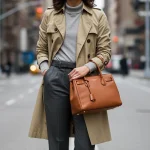
Digital Styling Tools: Revolutionizing US Fashion in 2025
By 2025, digital styling tools are poised to transform personal fashion in the US, offering innovative solutions through AI-powered recommendations, virtual try-ons, and augmented reality to help individuals curate their wardrobes and express their unique style effortlessly.
Por: adminwp2 em 6 de outubro de 2025
Última atualização em: 5 de dezembro de 2025
Advertisements
The landscape of personal fashion is undergoing a profound transformation, driven by an explosion of innovative technologies. By 2025, the way Americans discover, select, and wear their clothes will be indelibly shaped by advanced digital styling tools. These platforms are not just convenience features; they represent a fundamental shift in how we engage with style, offering unprecedented personalization and accessibility. From virtual try-ons to AI-powered recommendations, the future of fashion is increasingly digital, empowering individuals to cultivate their unique aesthetic with greater ease and confidence.
Advertisements
The rise of AI in personal fashion curation
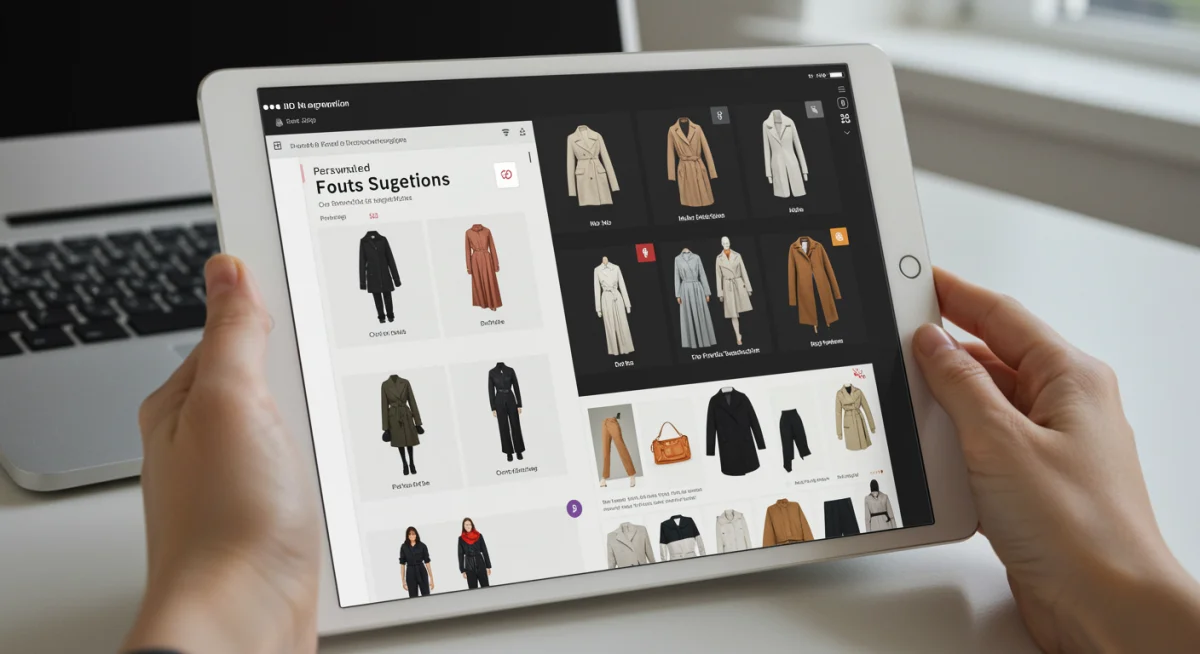
Artificial Intelligence (AI) is no longer a futuristic concept; it’s a present-day reality rapidly integrating into our daily lives, especially within the fashion industry. In personal styling, AI algorithms are becoming incredibly sophisticated, capable of understanding individual preferences, body types, and even emotional states to suggest outfits that resonate deeply with the user. This goes far beyond simple preference matching; it’s about creating a truly personalized fashion assistant.
The core power of AI in fashion lies in its data processing capabilities. These systems can analyze vast amounts of information, from a user’s past purchases and browsing history to current fashion trends, weather conditions, and even social media activity. This holistic approach allows AI to offer highly relevant and often surprising suggestions that a human stylist might overlook. The goal is to make fashion less about guesswork and more about informed, confident choices.
Predictive analytics for trend forecasting
Data-driven insights: AI sifts through global fashion data, runway shows, street style, and social media buzz to predict emerging trends long before they hit mainstream.
Personalized trend adoption: It can then tailor these general trends to a user’s specific style profile, suggesting how to incorporate new elements without abandoning their core aesthetic.
Inventory optimization: Brands also benefit, using AI predictions to optimize their inventory, ensuring they produce and stock what consumers genuinely want.
AI-powered virtual stylists and chatbots
Many brands are now deploying AI-driven chatbots and virtual stylists that can engage with customers in real-time. These intelligent assistants can answer style-related questions, recommend specific products, and even help users build entire outfits for various occasions. They learn from every interaction, refining their advice and becoming more effective over time. This accessibility democratizes personal styling, making expert advice available to everyone, regardless of budget or location.
Advertisements
The evolution of AI in fashion is continuous, with new algorithms constantly being developed to enhance the user experience. By 2025, we can expect these tools to be even more intuitive, offering a seamless blend of technology and aesthetic understanding. This will empower consumers to make more sustainable and satisfying fashion choices, reducing impulse buys and fostering a deeper connection with their personal style. The integration of AI ensures that styling is not just about what’s trendy, but what truly fits an individual’s life and identity.
Augmented reality: bringing the fitting room home
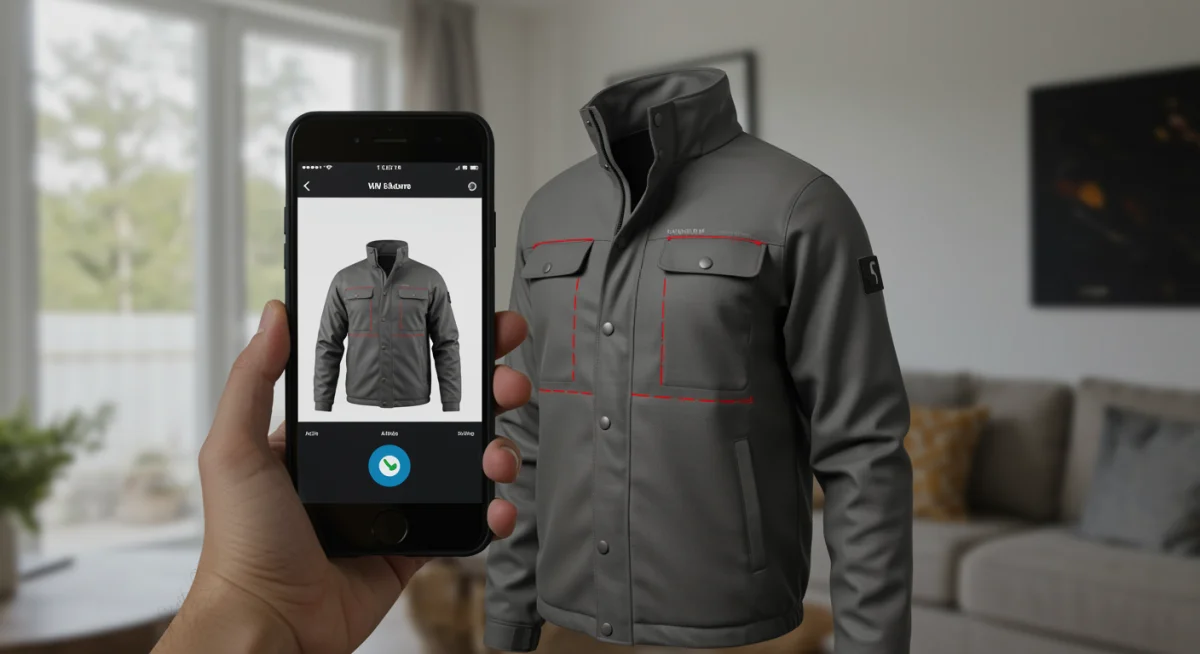
Augmented Reality (AR) is fundamentally changing the retail experience, particularly in fashion, by bridging the gap between online browsing and the physical act of trying on clothes. Imagine being able to see how a garment looks on your body, in your own home, before ever making a purchase. This transformative technology is becoming increasingly sophisticated, offering a realistic and convenient alternative to traditional fitting rooms, especially relevant in a post-pandemic world where contactless solutions are valued.
The appeal of AR in fashion is multifaceted. For consumers, it reduces uncertainty, minimizing returns and enhancing satisfaction with online purchases. For retailers, it boosts conversion rates and lowers operational costs associated with returns. AR apps allow users to virtually try on everything from apparel and accessories to eyewear and makeup, often with impressive accuracy regarding fit, drape, and color. This immersive experience is revolutionizing the shopping journey, making it more interactive and engaging.
Virtual try-on applications
Realistic overlays: Advanced AR algorithms can accurately superimpose clothing items onto a user’s live video feed, accounting for body shape and movement.
3D rendering: High-quality 3D models of garments ensure that textures, patterns, and how fabric drapes are represented authentically.
Size and fit recommendations: Beyond visual appearance, many AR tools integrate with sizing databases to suggest the best fit, reducing guesswork.
Interactive mirror technology
Beyond mobile apps, interactive mirrors in physical stores are also leveraging AR to offer an enhanced in-store experience. These mirrors allow shoppers to try on multiple outfits without physically changing, view different colors or sizes, and even get personalized recommendations. Some even enable users to share their virtual try-ons with friends or stylists for real-time feedback. This blend of digital convenience and physical presence offers the best of both worlds, transforming the traditional retail environment into a tech-forward styling hub.
By 2025, AR technology will be deeply embedded in the fashion ecosystem, from initial product discovery to final purchase decisions. Its continued development promises even more realistic and seamless experiences, making virtual try-ons an indispensable part of how we shop. This evolution empowers consumers with greater confidence in their choices and offers a sustainable path forward for the fashion industry by potentially reducing the environmental impact of returns.
Personalized styling platforms and subscription boxes
The desire for individualized fashion advice has led to a boom in personalized styling platforms and subscription box services. These services leverage a combination of human expertise and algorithmic intelligence to curate wardrobes tailored to specific tastes, needs, and budgets. They remove the overwhelming nature of endless choices, presenting users with carefully selected items that align with their personal brand. This approach caters to a modern consumer who values convenience, personalization, and expert guidance.
Subscription boxes, in particular, have carved out a significant niche by offering a surprise element combined with curated selections. Users fill out detailed style profiles, and then stylists (often AI-assisted) select items that are shipped directly to their door. This model allows individuals to discover new brands and styles they might not have considered otherwise, all within the comfort of their home. The ability to try on items, keep what they like, and return the rest makes it a low-risk way to experiment with fashion.
Styling quizzes and preference algorithms
Detailed profiles: Users complete comprehensive quizzes covering style preferences, body shape, lifestyle, budget, and fashion goals.
Algorithmic matching: Advanced algorithms then match these profiles with suitable garments from a vast inventory, often considering current trends.
Feedback loops: Continuous feedback from users on items they keep or return helps refine future selections, making the service smarter over time.
Human stylist integration
While AI plays a crucial role in initial matching and data analysis, many successful platforms integrate human stylists for a more nuanced and empathetic touch. These stylists review algorithmic selections, add personal notes, and offer expert advice that AI alone cannot yet replicate. This hybrid model provides the efficiency of technology with the irreplaceable finesse of human intuition, ensuring a truly bespoke styling experience. The interaction with a human stylist often builds trust and loyalty, making the service feel more personal.
As we approach 2025, personalized styling platforms will continue to evolve, offering even more sophisticated algorithms and seamless integration of human expertise. They will likely incorporate more real-time feedback mechanisms and adapt to changing fashion sensibilities with greater agility. These services are not just about receiving clothes; they’re about building a relationship with one’s style, fostering confidence, and simplifying the often-complex world of fashion.
Virtual wardrobe management and outfit planning
Managing a wardrobe can be a time-consuming task, often leading to forgotten items and repetitive outfits. Digital styling tools are stepping in to revolutionize wardrobe organization and outfit planning, transforming cluttered closets into efficient, searchable digital inventories. These applications empower users to catalog their clothing, create virtual outfits, and plan their attire for days or even weeks in advance, bringing unprecedented order and creativity to personal styling.
The concept is simple yet powerful: digitize your wardrobe. By taking photos of each item and uploading them to an app, users create a comprehensive virtual representation of their closet. This digital inventory then becomes a playground for experimentation, allowing users to mix and match items without physically pulling everything out. It’s a game-changer for maximizing existing garments, identifying gaps in a wardrobe, and making smarter purchasing decisions.
Digital closet organization features
Item categorization: Users can tag and categorize items by type, color, season, brand, and occasion, making them easily searchable.
Outfit creation: Drag-and-drop interfaces allow users to create and save virtual outfits, envisioning combinations before wearing them.
Wear tracking: Some apps track how often items are worn, helping users identify underutilized garments and make more conscious fashion choices.
Calendar integration for event planning
Beyond daily outfit planning, many of these tools integrate with personal calendars, allowing users to plan outfits for specific events, meetings, or trips. This eliminates last-minute wardrobe crises and ensures that users are always appropriately dressed. Imagine having your entire travel wardrobe pre-planned and packed virtually, ready to go. This level of foresight and organization was once the exclusive domain of professional stylists but is now accessible to everyone through these intuitive digital platforms.
By 2025, virtual wardrobe management will be a standard feature for fashion-conscious individuals. These tools will likely integrate with retail platforms, allowing users to seamlessly add new purchases to their digital closet and receive recommendations based on their existing inventory. The future promises a more organized, efficient, and creative approach to personal styling, empowering individuals to get the most out of their clothing and express their style effortlessly.
Sustainable fashion and ethical shopping tools
As consumer awareness around environmental and social impact grows, digital styling tools are increasingly playing a vital role in promoting sustainable and ethical fashion choices. These platforms go beyond aesthetics, providing users with transparent information about a garment’s origin, materials, and production processes. They empower individuals to make informed decisions that align with their values, fostering a more responsible and conscious approach to consumption.
The fashion industry has a significant environmental footprint, from water usage in cotton production to chemical pollution from dyes and textile waste. Ethical shopping tools address these concerns by highlighting brands committed to sustainable practices, fair labor, and transparent supply chains. They help consumers navigate a complex market, making it easier to identify products that meet specific ethical criteria, such as organic materials, recycled content, or fair trade certification.
Transparency and brand ratings
Sustainability scores: Many apps provide ratings or scores for brands based on their environmental impact, labor practices, and animal welfare policies.
Material breakdowns: Detailed information on fabric composition, including whether materials are organic, recycled, or upcycled, is readily available.
Supply chain visibility: Some tools offer insights into a brand’s supply chain, showing where and how garments are produced, from raw materials to finished products.
Secondhand and rental platforms integration
To further promote sustainability, many digital styling tools are integrating with secondhand marketplaces and fashion rental platforms. This encourages a circular economy, extending the life cycle of garments and reducing the demand for new production. Users can easily discover pre-loved items that fit their style or rent high-end pieces for special occasions, reducing waste and promoting a more mindful approach to fashion consumption. This shift from ownership to access is a key pillar of sustainable fashion.
By 2025, ethical and sustainable considerations will be deeply embedded in the functionality of digital styling tools. We can expect even more sophisticated metrics, clearer labeling, and seamless integration with circular fashion models. These tools will not only help users look good but also feel good about their fashion choices, contributing to a more responsible and environmentally friendly industry. The power to choose sustainably will be at our fingertips, making conscious consumption the new norm.
The metaverse and digital fashion experiences
The concept of the metaverse is rapidly expanding beyond gaming, permeating industries like fashion with innovative digital experiences. In 2025, digital styling tools will increasingly leverage metaverse platforms to offer immersive, interactive, and entirely new ways to engage with fashion. This isn’t just about virtual try-ons; it’s about creating digital identities, owning virtual garments, and participating in fashion events within persistent online worlds. The metaverse represents a frontier for creative expression and a lucrative market for digital fashion.
Within the metaverse, users can create highly customized avatars that reflect their real-world style or explore entirely new aesthetics. Digital fashion designers are creating garments that exist solely in these virtual spaces, often pushing the boundaries of what’s physically possible. From fantastical outfits to hyper-realistic reproductions of designer pieces, digital fashion offers an unparalleled degree of creative freedom. These virtual clothes can be ‘worn’ by avatars, showcased in digital galleries, or even used in virtual events and games.
NFTs and digital ownership
Unique digital assets: Non-Fungible Tokens (NFTs) enable verifiable ownership of digital fashion items, making them collectible and tradable assets within the metaverse.
Exclusive drops: Brands are launching exclusive NFT fashion collections, creating scarcity and desirability in the digital realm.
Interoperability: The vision is for digital garments to be transferable across different metaverse platforms, allowing users to take their style with them.
Virtual fashion shows and events
The metaverse is also becoming a vibrant venue for virtual fashion shows, product launches, and collaborative styling events. Brands are hosting immersive experiences where avatars can attend front-row, interact with designers, and even purchase digital outfits directly from the runway. These events are highly accessible, transcending geographical limitations and opening up fashion to a global audience. They offer a dynamic and engaging way for brands to connect with consumers and for consumers to experience fashion in novel ways.
By 2025, the metaverse will be an indispensable component of the digital styling ecosystem. It will offer a playground for self-expression, a platform for innovation, and a new avenue for commerce. The integration of digital fashion with real-world styling tools will blur the lines between physical and virtual, creating a holistic and endlessly creative fashion experience. This evolution signifies a radical shift in how we perceive and interact with clothing, both online and off.
The future of retail: merging online and offline experiences
The distinction between online and offline shopping is rapidly dissolving, giving way to a seamlessly integrated retail experience. Digital styling tools are at the forefront of this convergence, enhancing both e-commerce and brick-and-mortar stores with innovative technologies that cater to the modern consumer’s desire for convenience, personalization, and immersive engagement. This hybrid approach, often termed ‘phygital,’ is redefining the future of retail by offering the best of both worlds.
In this merged landscape, online tools inform offline decisions, and physical stores provide data and experiences that enrich the digital journey. For instance, a customer might use an app to virtually try on an outfit at home, then visit a store to feel the fabric and make the final purchase. Conversely, in-store smart mirrors can recognize a customer, access their online style profile, and suggest complementary items, creating a truly personalized shopping path.
Smart mirrors and interactive displays in stores
Personalized recommendations: Smart mirrors can display items based on a customer’s online preferences or past purchases, offering tailored suggestions.
Virtual outfit changes: Shoppers can see how different sizes or colors look without physically trying them on, saving time and effort.
Enhanced product information: Interactive displays provide detailed information about materials, care instructions, and styling tips for each garment.
Click-and-collect and in-store styling appointments
Digital tools facilitate efficient click-and-collect services, allowing customers to order online and pick up in-store, often with personalized styling assistance available upon arrival. Many retailers are also using digital platforms to book in-store styling appointments, where human stylists, often armed with digital profiles of the customer, provide one-on-one guidance. This blend of digital convenience and human touch elevates the shopping experience, making it more efficient and enjoyable.
By 2025, the retail landscape will be characterized by this seamless integration, with digital styling tools acting as the connective tissue between online and offline channels. This fusion will not only streamline the shopping process but also create richer, more engaging experiences for consumers. Retailers that successfully adopt these phygital strategies will be better positioned to meet evolving customer expectations and thrive in an increasingly competitive market.
Key Tool
Revolutionary Impact
AI Personal Stylists
Offers hyper-personalized outfit recommendations based on extensive data analysis and individual preferences.
Augmented Reality Try-Ons
Enables virtual try-on of garments at home, reducing returns and enhancing online shopping confidence.
Virtual Wardrobe Managers
Digitizes closets for easy outfit planning, inventory tracking, and maximizing existing clothing potential.
Metaverse Fashion
Creates new avenues for digital identity, ownership (NFTs), and immersive fashion experiences in virtual worlds.
Frequently asked questions about digital styling tools
What are the primary benefits of using digital styling tools?▼
Digital styling tools offer numerous benefits, including personalized recommendations, enhanced shopping convenience through virtual try-ons, efficient wardrobe management, and the ability to discover sustainable fashion options. They save time, reduce buyer’s remorse, and empower users to confidently express their unique style, making fashion more accessible and enjoyable for everyone.
How does AI personalize fashion recommendations?▼
AI personalizes recommendations by analyzing a vast array of data, including your past purchases, browsing history, style preferences, body type, and even real-time trends. These algorithms learn from your interactions, refining suggestions over time to provide highly relevant and appealing outfit choices that align with your individual aesthetic and lifestyle.
Are virtual try-on tools accurate enough for making purchasing decisions?▼
Virtual try-on tools have significantly advanced in accuracy, with many offering realistic representations of how garments look and fit. While they may not perfectly replicate the feel of fabric, they provide excellent visual guidance for style, color, and general fit. Continuous improvements in AR and 3D rendering are making them increasingly reliable for informed purchasing decisions.
How do digital styling tools contribute to sustainable fashion?▼
They contribute by providing transparency on a brand’s ethical and environmental practices, promoting secondhand and rental options, and helping users maximize their existing wardrobes. By reducing impulse buys and returns, and encouraging conscious consumption, these tools empower individuals to make more responsible fashion choices, fostering a circular and less wasteful industry.
What role will the metaverse play in future digital styling?▼
The metaverse will offer immersive digital fashion experiences, allowing users to create and express unique virtual identities through digital garments and NFTs. It will host virtual fashion shows and enable new forms of digital ownership and commerce. This will blur the lines between physical and virtual fashion, opening up unprecedented creative and interactive styling opportunities.
Conclusion
The trajectory of personal fashion in the US is undeniably digital, with 2025 set to be a pivotal year for the widespread adoption and sophistication of digital styling tools. From the personalized insights of AI to the immersive experiences of augmented reality and the boundless creativity of the metaverse, these innovations are not merely changing how we shop, but how we perceive and interact with our personal style. They promise a future where fashion is more accessible, sustainable, and intimately tailored to each individual, empowering everyone to confidently express their unique aesthetic in an increasingly connected world. The era of truly personalized and efficient styling is not just on the horizon; it is already here, reshaping our wardrobes one digital click at a time.