Gender-Neutral Fashion in 2025: A US Consumer Guide
Gender-neutral fashion in 2025 signifies a pivotal shift towards inclusive clothing designed for all bodies, emphasizing individuality and sustainability, moving beyond traditional gendered aesthetics.
Por: adminwp2 em 5 de setembro de 2025
Última atualização em: 5 de dezembro de 2025
Advertisements
Gender-neutral fashion in 2025 signifies a pivotal shift towards inclusive clothing designed for all bodies, emphasizing individuality and sustainability, moving beyond traditional gendered aesthetics.
Advertisements
The landscape of style is continually evolving, and in 2025, one of the most significant shifts is the rise of gender-neutral fashion in 2025: what US consumers need to know about this evolving trend.
This movement transcends mere clothing choices; it represents a broader cultural phenomenon, challenging traditional norms and embracing individuality without the confines of gendered aesthetics.
As consumers, understanding this transformation is key to navigating the future of your wardrobe.
Advertisements
Understanding the Core of Gender-Neutral Fashion
Gender-neutral fashion, often interchangeably referred to as ‘unisex’ or ‘gender-fluid’ clothing, is fundamentally about liberation from prescribed sartorial rules. It’s not about erasing gender identity but rather about offering clothing that can be worn by anyone, regardless of their gender, body shape, or personal expression. This approach prioritizes comfort, versatility, and individual style over traditional binary distinctions.
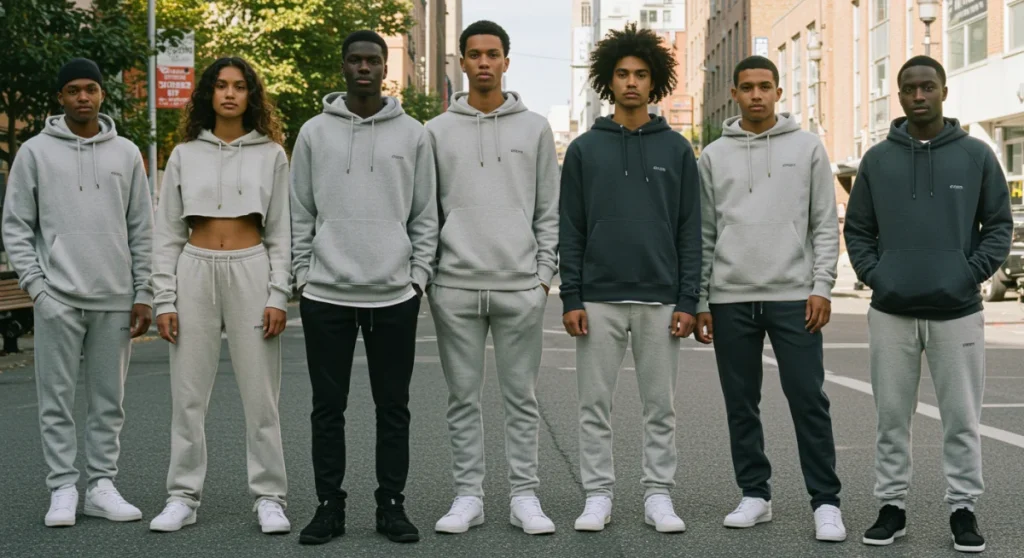
In 2025, this concept has matured beyond a niche trend, becoming a mainstream force. Designers are no longer just creating oversized t-shirts; they are crafting sophisticated collections that deliberately blur lines, focusing on cuts, fabrics, and silhouettes that flatter a diverse range of bodies and personal preferences. The emphasis is on quality, timelessness, and adaptability.
The Evolution from Unisex to Gender-Neutral
While the term ‘unisex’ has been around for decades, gender-neutral fashion in 2025 signifies a more profound and intentional design philosophy. Unisex often implied a generic, often masculine-leaning style adapted for women. Gender-neutral, however, is designed from the ground up to be inclusive, considering diverse body types and expressions from the initial sketch.
Design Intent: Focus on universal appeal rather than a modified gendered design.
Fit and Sizing: Development of new sizing systems that accommodate a broader spectrum of bodies.
Aesthetic Range: Moving beyond basic casual wear to encompass formal, athletic, and high-fashion categories.
Marketing: Campaigns that feature diverse models and narratives, actively promoting inclusivity.
This shift reflects a growing societal desire for authenticity and self-expression, where clothing serves as a tool for personal narrative rather than a label of conformity. Consumers are increasingly seeking pieces that resonate with their identity, free from outdated gender stereotypes. The distinction is subtle but crucial, indicating a more thoughtful and comprehensive approach to clothing design and consumption.
Ultimately, understanding the core of gender-neutral fashion means recognizing its role as a catalyst for change in the industry. It’s about opening up possibilities, empowering individuals, and fostering a more accepting and diverse fashion landscape. For US consumers, embracing this trend means more options and a more authentic connection with their personal style.
Key Drivers Behind the Gender-Neutral Movement
Several interconnected factors are propelling the gender-neutral fashion movement forward, making it a dominant force in 2025. These drivers range from evolving societal attitudes to practical consumer demands, creating a fertile ground for this innovative approach to style. Understanding these influences provides insight into why this trend is here to stay.
Social and cultural shifts are perhaps the most significant catalysts. Younger generations, particularly Gen Z, are increasingly rejecting traditional gender binaries and embracing fluid identities. For them, fashion is a powerful tool for self-expression and a reflection of their values, including inclusivity and authenticity. Brands that align with these values are gaining significant traction.
Societal Shifts and Identity Expression
The growing acceptance and visibility of diverse gender identities have directly impacted fashion. As more individuals feel empowered to express themselves authentically, the demand for clothing that supports this expression, rather than restricting it, naturally increases. Fashion is no longer just about looking good; it’s about feeling seen and validated.
Gen Z Influence: This demographic is a primary driver, valuing authenticity and challenging norms.
Celebrity Advocacy: Public figures embracing gender-neutral styles normalize and popularize the trend.
Social Media: Platforms amplify diverse voices and styles, exposing broader audiences to gender-fluid aesthetics.
Beyond identity, sustainability and ethical consumption also play a crucial role. Gender-neutral collections often align with principles of slow fashion, emphasizing durable, versatile pieces that transcend seasonal trends and can be worn by multiple individuals over time. This approach reduces waste and promotes a more conscious consumption model, appealing to environmentally aware consumers.
The convenience factor also cannot be overlooked. For many consumers, the appeal lies in the simplicity and versatility of gender-neutral designs. A well-designed gender-neutral garment can be easily integrated into various wardrobes, offering more styling options and reducing the need for extensive, gender-specific purchases. This practical benefit resonates with busy, modern lifestyles.
The Impact on US Consumers: What to Expect in 2025
For US consumers, 2025 marks a significant turning point in how they perceive and interact with fashion, largely due to the pervasive influence of gender-neutral styles. This shift is not merely about new clothing options; it’s about a fundamental change in shopping experiences, brand expectations, and personal styling choices. Consumers can anticipate a more inclusive and diverse retail environment.
One of the most immediate impacts will be the expansion of sizing and fit. Traditional gendered sizing often leads to frustration, with individuals struggling to find clothes that fit comfortably and flatter their body shape. Gender-neutral brands are pioneering new sizing charts that focus on measurements and body types rather than arbitrary gender classifications, leading to a much more satisfying shopping experience.
Changes in Retail and Shopping Experiences
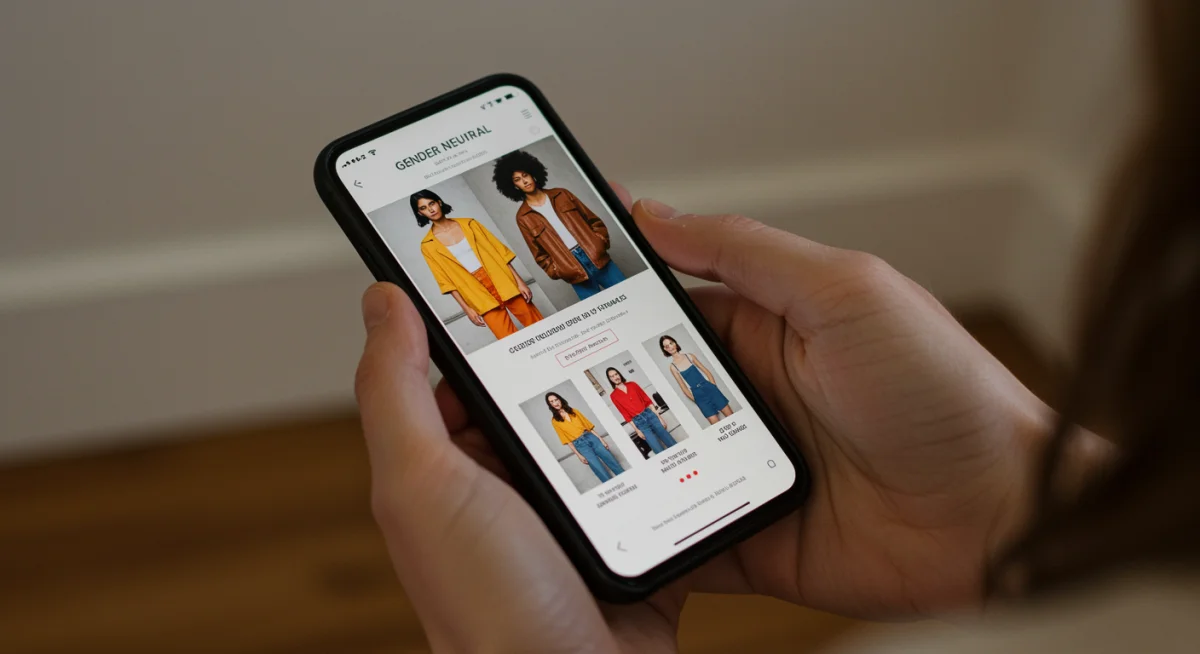
Retail spaces, both physical and digital, are adapting rapidly. Expect to see more stores featuring gender-neutral sections or even entire boutiques dedicated to this aesthetic. Online retailers are implementing advanced filtering options and virtual try-on tools that cater to diverse body types, making it easier for consumers to visualize how garments will look and fit.
Integrated Sections: Department stores merging men’s and women’s sections for certain categories.
Dedicated Boutiques: Emergence of stores exclusively selling gender-neutral collections.
Online Personalization: AI-driven recommendations based on personal style and fit preferences, not gender.
Beyond retail, the very concept of ‘men’s’ and ‘women’s’ fashion shows is blurring. Designers are increasingly showcasing collections on a diverse cast of models, emphasizing the universality of their designs. This visual representation helps consumers imagine themselves in the clothes, regardless of their gender identity.
Furthermore, the rise of gender-neutral fashion in 2025 encourages a more conscious consumer mindset. With an emphasis on versatile, durable pieces, consumers are encouraged to invest in fewer, higher-quality items that can be styled in multiple ways and worn for various occasions. This aligns with a broader movement towards sustainable and mindful consumption, benefiting both personal finances and the environment.
In essence, US consumers in 2025 will find a fashion landscape that is more welcoming, more innovative, and more reflective of the diverse population it serves. The focus will be less on conforming to external expectations and more on empowering individual expression through thoughtfully designed clothing.
Navigating Inclusive Sizing and Fit
One of the most practical and impactful aspects of the gender-neutral fashion movement in 2025 is the revolutionary approach to sizing and fit. For too long, consumers have been forced into restrictive and often illogical gendered sizing systems that rarely account for the true diversity of human bodies. This new era of fashion seeks to rectify that, offering a more intuitive and inclusive experience for everyone.
Traditional sizing has historically been a source of frustration, particularly for individuals whose bodies don’t conform to stereotypical ‘male’ or ‘female’ proportions. Gender-neutral brands are re-imagining the entire sizing paradigm, moving away from arbitrary numbers and labels towards systems that prioritize actual body measurements and comfort. This means less guesswork and more confidence in purchases.
Understanding New Sizing Systems
Consumers will increasingly encounter sizing charts that are less about ‘men’s small’ or ‘women’s large’ and more about universal measurements. These might include:
Body Measurements: Emphasis on chest, waist, hip, and inseam measurements as primary indicators.
Numerical/Alpha Sizing: A single numerical or alphabetical scale (e.g., 0-10 or XS-XXL) that is consistent across all garments, regardless of intended wearer.
Descriptive Fits: Labels like ‘relaxed fit,’ ‘structured fit,’ ‘oversized,’ or ‘slim’ to guide consumers on the garment’s intended silhouette.
Virtual Fit Tools: Online platforms offering augmented reality or AI-powered tools to help users visualize fit on their own body avatars.
The focus is on creating garments that drape well on a variety of physiques, often favoring more relaxed silhouettes, adjustable features (like drawstrings or elasticated waists), and fabrics with a comfortable stretch. This design philosophy recognizes that comfort and confidence are paramount, and a good fit is key to achieving both.
When shopping for gender-neutral fashion, it’s crucial for US consumers to pay close attention to brand-specific sizing guides and product descriptions. Don’t assume your usual ‘size’ will translate directly. Take your measurements and compare them to the brand’s recommendations. Many progressive brands also offer detailed fit notes and customer reviews with sizing feedback, which can be invaluable resources.
Ultimately, navigating inclusive sizing means embracing a new way of thinking about clothes – one where the garment adapts to the body, rather than the body being forced to adapt to the garment. This shift promotes a healthier body image and a more satisfying connection with one’s wardrobe.
Styling Gender-Neutral Pieces for Everyday Wear
Integrating gender-neutral fashion into your everyday wardrobe in 2025 is not just about buying new clothes; it’s about rethinking how you combine pieces and express your personal style. The beauty of this trend lies in its versatility, offering endless possibilities for creative expression that transcend traditional gendered aesthetics. It’s about building a wardrobe that truly reflects you, unburdened by societal expectations.
The foundation of styling gender-neutral pieces often lies in understanding proportions and layering. Since many gender-neutral garments feature relaxed or oversized fits, balancing these with more fitted items can create a cohesive and stylish look. Think about how textures and colors can also play a role in defining your aesthetic, allowing you to create outfits that feel both comfortable and intentional.
Tips for Curating Your Gender-Neutral Wardrobe
Building a gender-neutral wardrobe means prioritizing versatility and personal expression. Here are some actionable tips for US consumers:
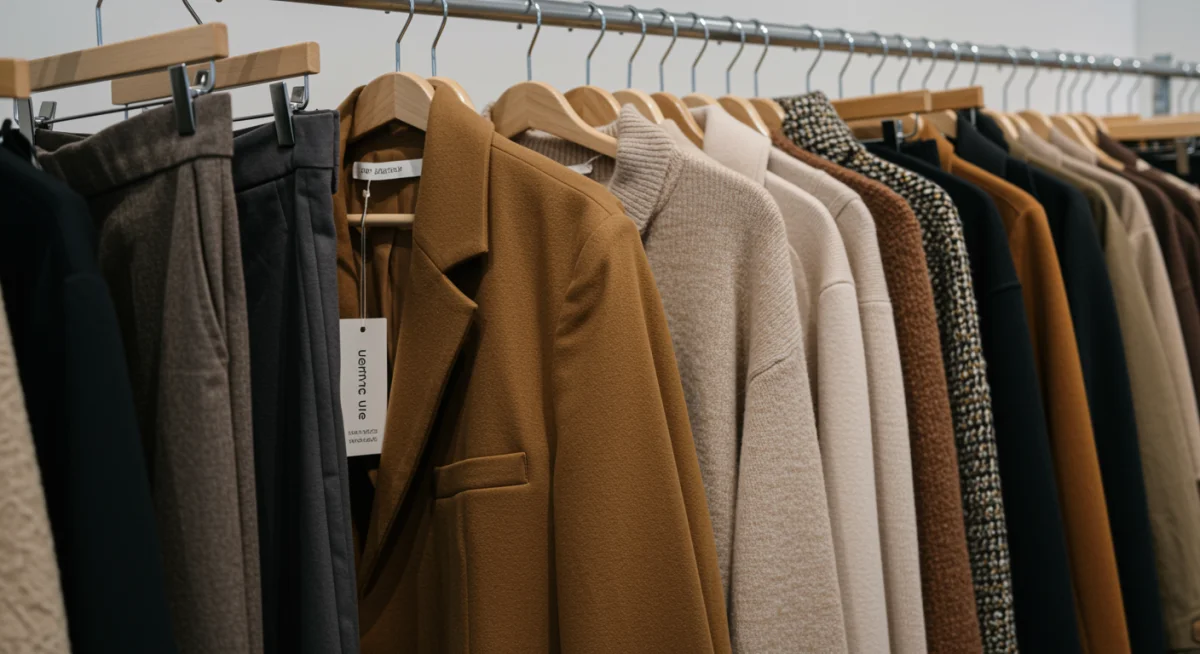
Invest in Staples: Start with foundational pieces like well-fitting t-shirts, comfortable trousers, versatile jackets, and classic knitwear in neutral tones. These form the backbone of any gender-neutral ensemble.
Play with Proportions: Combine an oversized blazer with slim-fit trousers, or a baggy sweater with a structured skirt. Experiment to find what makes you feel confident.
Focus on Fabric and Texture: High-quality fabrics like linen, organic cotton, and wool not only feel good but also elevate simple silhouettes. Mixing textures adds depth to an outfit.
Accessorize Thoughtfully: Accessories are key to personalizing gender-neutral looks. Belts, scarves, jewelry, and bags can add a touch of individuality and define your aesthetic.
Don’t be afraid to experiment and break traditional ‘rules.’ The essence of gender-neutral fashion is the freedom to wear what you love, regardless of its original designation. Mix elements from different aesthetics – a rugged workwear jacket with elegant wide-leg pants, or a delicate blouse with sturdy boots. The goal is to create outfits that feel authentic to your identity.
Ultimately, styling gender-neutral pieces for everyday wear in 2025 is about empowerment. It’s about choosing comfort, embracing individuality, and curating a wardrobe that serves your personal expression rather than conforming to external pressures. This approach not only simplifies dressing but also fosters a deeper connection with your clothes.
The Role of Sustainability in Gender-Neutral Fashion
The alignment between gender-neutral fashion and sustainability is not coincidental; it’s a symbiotic relationship that defines a significant part of the trend in 2025. As consumers become increasingly aware of the environmental and ethical impact of their clothing choices, gender-neutral brands are often at the forefront of offering more responsible alternatives. This convergence makes the movement even more appealing to a conscious consumer base.
At its core, sustainable fashion seeks to minimize environmental harm and maximize social good throughout the entire lifecycle of a garment. Gender-neutral designs inherently support this by prioritizing versatility and longevity. When a garment can be worn by anyone, it expands its potential lifespan and reduces the perceived need for constant, gender-specific purchases, thereby combating fast fashion’s wasteful cycles.
Ethical Production and Material Choices
Many brands embracing gender-neutral aesthetics are also committed to ethical production practices and sustainable material sourcing. This means:
Eco-friendly Fabrics: Utilizing organic cotton, recycled polyester, Tencel, hemp, and other low-impact materials.
Fair Labor Practices: Ensuring that workers throughout the supply chain are paid fair wages and work in safe conditions.
Reduced Waste: Designing for durability, offering repair services, and implementing circular design principles.
Transparency: Providing clear information about where and how garments are made, fostering consumer trust.
The focus on timeless designs, rather than fleeting trends, also contributes significantly to sustainability. Gender-neutral pieces are often characterized by clean lines, classic silhouettes, and neutral color palettes, making them less susceptible to obsolescence. This encourages consumers to invest in pieces that will remain stylish and functional for years, reducing the frequency of clothing replacement.
For US consumers, supporting gender-neutral brands often means supporting businesses that are actively working to mitigate fashion’s environmental footprint. It’s about making purchasing decisions that align with personal values, contributing to a more ethical and sustainable industry. This makes the choice to embrace gender-neutral fashion not just a style statement, but an ethical one.
In conclusion, the intertwining of gender-neutral fashion and sustainability in 2025 offers a powerful pathway towards a more responsible and equitable fashion future. Consumers are not just buying clothes; they are investing in a movement that champions both individual expression and planetary well-being.
The Future Outlook: Beyond 2025 for Gender-Neutral Fashion
As we look beyond 2025, the trajectory of gender-neutral fashion indicates not just a passing trend, but a fundamental and enduring shift in the industry. This movement is poised to continue its growth, deepening its roots in mainstream consciousness and influencing nearly every facet of how clothing is designed, marketed, and consumed. Its long-term impact on US consumers will be profound and far-reaching.
One of the most exciting prospects is the potential for even greater innovation in design and technology. We can anticipate advancements in material science, leading to new fabrics that are even more versatile, comfortable, and sustainable. Furthermore, digital fashion and augmented reality will likely play an increasing role, allowing consumers to experiment with gender-neutral styles in virtual spaces before making physical purchases.
Anticipated Innovations and Broader Acceptance
The future will see gender-neutral principles extending beyond casual wear into more specialized categories. Imagine high-performance athletic wear designed for all body types, or sophisticated formal attire that transcends traditional gendered codes. The boundaries will continue to dissolve, opening up new avenues for personal expression.
Technological Integration: AI-powered personal stylists and virtual reality try-on experiences.
Hyper-Personalization: Custom-fit garments and bespoke services becoming more accessible.
Cross-Category Expansion: Gender-neutral designs in sportswear, formal wear, and even workwear.
Educational Initiatives: Greater emphasis on teaching inclusive design principles in fashion schools.
Moreover, the educational system within fashion will adapt, incorporating gender-neutral design as a core curriculum component. This ensures that future generations of designers are inherently trained to think inclusively, further solidifying the movement’s place in the industry. Brands that fail to adapt to this evolving mindset risk becoming obsolete, as consumer demand for authenticity and inclusivity only grows.
For US consumers, this means an even wider array of choices, a more empowering shopping experience, and a clothing industry that is truly reflective of the diverse society it serves. The future of gender-neutral fashion is one where personal style is limited only by imagination, not by gendered constraints.
The continuous evolution of gender-neutral fashion promises a landscape where individual identity and comfort are paramount, cementing its status as a transformative force in the fashion world well beyond 2025. It’s an exciting time to be a fashion-conscious consumer in the US.
Key Aspect
Brief Description
Core Principle
Clothing designed for all, prioritizing comfort, versatility, and individual expression over gendered norms.
Sizing & Fit
Moves away from binary sizing to universal measurements; focuses on diverse body types and comfortable silhouettes.
Sustainability Link
Emphasizes durable, versatile pieces made with eco-friendly materials and ethical production, reducing waste.
Consumer Impact
More inclusive retail experiences, increased options for self-expression, and a push towards conscious consumption.
Frequently Asked Questions About Gender-Neutral Fashion
What exactly is gender-neutral fashion?▼
Gender-neutral fashion refers to clothing designed and marketed to be worn by anyone, regardless of their gender identity. It prioritizes comfort, versatility, and individual expression, moving beyond traditional masculine or feminine aesthetics to create inclusive styles for a diverse range of bodies.
How does gender-neutral sizing work?▼
Gender-neutral sizing typically moves away from traditional ‘men’s’ or ‘women’s’ labels. Instead, it often uses universal numerical or alphabetical scales, focusing on actual body measurements (chest, waist, hips) and descriptive fits like ‘relaxed’ or ‘structured.’ Always check brand-specific size guides for accuracy.
Is gender-neutral fashion only for specific body types?▼
No, gender-neutral fashion is designed to be inclusive of all body types. While some pieces may feature relaxed fits, designers are increasingly creating diverse silhouettes and adjustable elements to flatter a wide range of physiques, ensuring comfort and style for everyone who chooses to wear them.
How does this trend relate to sustainability?▼
Gender-neutral fashion often aligns with sustainable practices by emphasizing durable, versatile, and timeless pieces. This approach encourages conscious consumption, reduces the need for frequent purchases, and often involves eco-friendly materials and ethical production methods, contributing to a more sustainable fashion industry.
Where can US consumers find gender-neutral clothing in 2025?▼
In 2025, gender-neutral clothing is available from specialized online boutiques, mainstream retailers with dedicated sections, and an increasing number of independent designers. Look for brands that explicitly promote inclusivity and offer detailed sizing information to ensure a good fit for your individual style and preferences.
Conclusion
The rise of gender-neutral fashion in 2025 represents more than just a passing trend; it signifies a profound and positive evolution in the industry, driven by a desire for inclusivity, authenticity, and sustainability. For US consumers, this means a future where clothing choices are less about conforming to outdated gender norms and more about empowering personal expression. From innovative sizing to ethical production, the movement offers a refreshing approach to style that is both liberating and responsible. Embracing gender-neutral fashion is about building a wardrobe that truly reflects who you are, making it a pivotal moment for fashion and individual identity.