The 2025 Guide to Bulk Buying: Save 25% on Groceries
Discover how to master bulk buying in 2025 to slash your grocery bills by 25% while simultaneously minimizing food waste. This guide provides actionable strategies for savvy shoppers.
Por: adminwp2 em 11 de setembro de 2025
Última atualização em: 5 de dezembro de 2025
Advertisements
Mastering bulk buying groceries in 2025 is key to saving 25% on your food budget and significantly reducing household waste by implementing strategic planning and smart storage solutions.
The 2025 Guide to Bulk Buying: How to Save 25% on Groceries Without Waste offers a powerful strategy for American households looking to stretch their budgets further while making a positive environmental impact. In an era where every penny counts and sustainability is paramount, understanding the nuances of bulk purchasing can transform your shopping habits and significantly reduce your grocery expenses.
Advertisements
Understanding the bulk buying revolution in 2025
The landscape of grocery shopping is constantly evolving, and 2025 marks a pivotal moment for bulk buying. Consumers are increasingly aware of both their financial outlays and their ecological footprint. Bulk buying, once perceived as a niche activity, has now moved into the mainstream as a practical solution for both these concerns.
This shift isn’t just about larger packages; it’s about a fundamental change in how we approach consumption. It encompasses everything from dry goods to household essentials, all purchased in quantities designed to last longer and reduce the frequency of shopping trips. The goal is not just to save money, but to minimize packaging waste and ensure a steady supply of staples.
Advertisements
The economic imperative of bulk purchases
Rising inflation and fluctuating food prices have made financial prudence a top priority for families across the United States. Bulk buying offers a tangible way to combat these economic pressures by securing lower per-unit costs. When you buy more, you often pay less for each individual item, leading to substantial savings over time.
Lower unit prices: The primary driver for financial savings.
Fewer impulse buys: Less frequent trips to the store reduce exposure to tempting, unnecessary purchases.
Budget predictability: Stocking up on essentials helps stabilize monthly grocery expenses.
Environmental benefits of mindful bulk buying
Beyond the financial advantages, bulk buying plays a crucial role in promoting environmental sustainability. By purchasing larger quantities, consumers can significantly reduce the amount of packaging waste that ends up in landfills. This is particularly true when opting for stores that allow you to bring your own reusable containers.
Moreover, a well-stocked pantry from bulk purchases can lead to less food waste. When you have a clear inventory of what you own, you are more likely to use it efficiently in meal planning, preventing items from expiring unnoticed in the back of your fridge or pantry. This mindful approach to consumption benefits both your wallet and the planet.
In conclusion, the bulk buying revolution in 2025 is driven by a dual desire for economic stability and environmental responsibility. By embracing this shopping strategy, consumers can achieve significant savings while contributing to a more sustainable future.
Strategic planning for maximum savings
Effective bulk buying isn’t just about grabbing the biggest package; it requires thoughtful planning and a disciplined approach. Without a solid strategy, you risk overspending, accumulating excess, and ultimately creating more waste, which defeats the purpose of bulk purchasing. The key lies in understanding your consumption patterns and aligning your purchases accordingly.
Start by assessing what your household truly needs and consumes regularly. This involves tracking your grocery lists and meal plans over several weeks to identify staples that are always in demand. Avoid buying bulk items that your family might grow tired of or that have a short shelf life if not used quickly.
Analyzing your household’s consumption patterns
Before you even step into a store, take stock of your current pantry and refrigerator. What items do you run out of most frequently? Which ingredients are consistently part of your weekly meals? Understanding these patterns is fundamental to making smart bulk buying decisions.
Review past grocery receipts for recurring purchases.
Track meal plans for common ingredients used.
Consider seasonal produce that can be preserved or frozen in bulk.
Creating a bulk buying inventory and budget
A detailed inventory list is your best friend when it comes to bulk buying. Know exactly what you have, where it’s stored, and when it expires. This prevents duplicate purchases and ensures that older items are used before they spoil. Alongside this, establish a dedicated budget for bulk purchases.
This budget should be separate from your regular weekly grocery budget, as bulk items often represent a larger upfront investment but yield long-term savings. By setting clear financial boundaries, you can avoid overspending and maintain control over your finances.
In essence, strategic planning transforms bulk buying from a potentially overwhelming task into a streamlined, cost-effective process. By understanding your needs and managing your resources, you can maximize your savings and minimize waste.
Identifying the right products for bulk purchases
Not all products are created equal when it comes to bulk buying. Selecting the right items is crucial for maximizing your savings and ensuring that you don’t end up with expired or unused goods. The focus should be on non-perishable staples, items with a long shelf life, and products that your household uses consistently and in significant quantities.
Think about the core ingredients in your cooking, cleaning supplies, and personal care items. These are often the best candidates for bulk purchases due to their utility and longevity. Perishable items, while sometimes available in bulk, require more careful consideration regarding storage and immediate use.
Non-perishable staples and long-shelf-life items
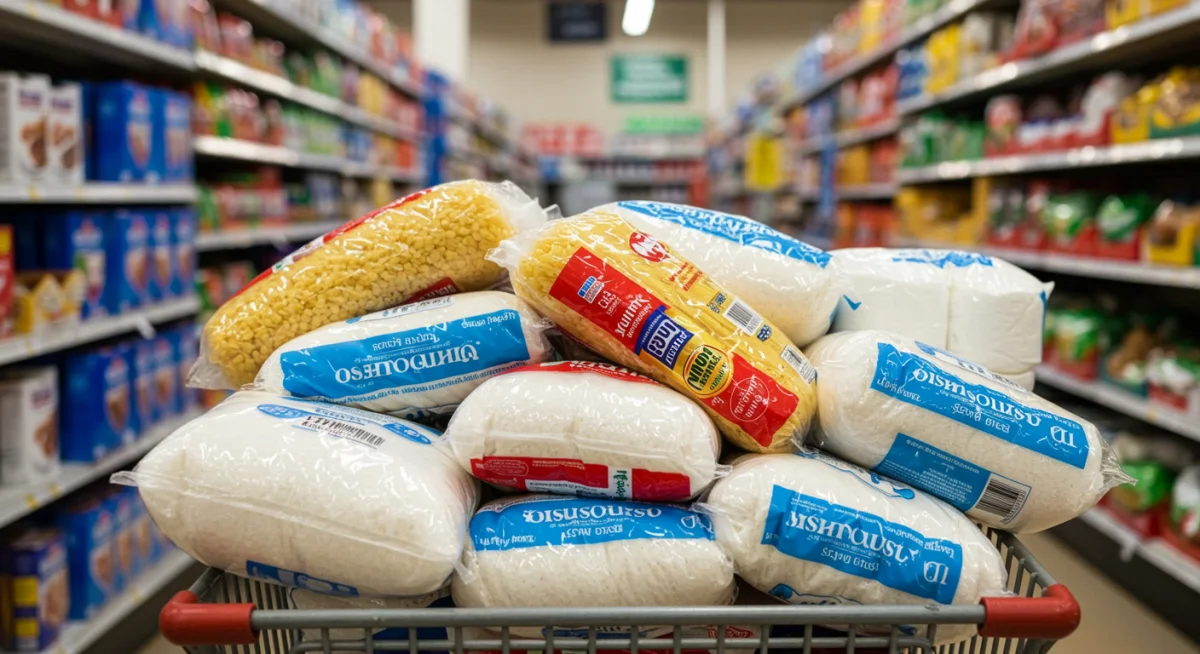
Dry goods form the backbone of successful bulk buying. Items like rice, pasta, beans, oats, flour, and sugar are excellent choices because they can be stored for extended periods without refrigeration. Canned goods, such as tomatoes, vegetables, and broths, also fall into this category, offering convenience and durability.
Grains (rice, pasta, quinoa, oats)
Legumes (dried beans, lentils)
Baking essentials (flour, sugar, salt, yeast)
Canned goods (vegetables, fruits, soups)
Considering household and personal care products
Beyond food, many household and personal care items are ideal for bulk purchasing. Detergents, toilet paper, paper towels, soaps, and even certain cosmetic products can be bought in larger quantities to save money. These items are used regularly and do not typically expire quickly, making them perfect for stocking up.
However, be mindful of storage space and potential changes in product preferences. While a large container of laundry detergent might seem like a great deal, ensure you have a suitable place to store it and that it’s a brand you consistently use. Always check the unit price to confirm that the bulk option truly offers a better value than smaller packages.
By carefully selecting products that align with your consumption and storage capabilities, you can ensure that your bulk buying efforts lead to genuine savings and reduced waste.
Mastering storage and organization for freshness
The success of bulk buying hinges significantly on effective storage and organization. Purchasing large quantities of food only to have it spoil or become infested defeats the entire purpose of saving money and reducing waste. Proper storage techniques are essential to maintain freshness, extend shelf life, and protect your investment.
This involves more than just finding a space; it means understanding the optimal conditions for different types of goods, investing in appropriate containers, and implementing a system that allows for easy rotation and access. A well-organized pantry is a powerful tool in your bulk buying arsenal.
Essential storage solutions and containers
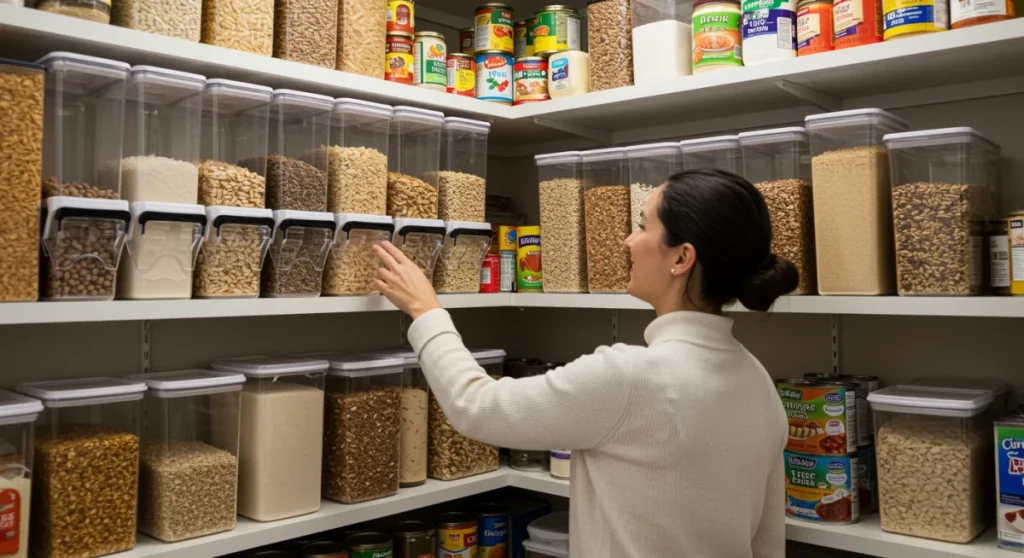
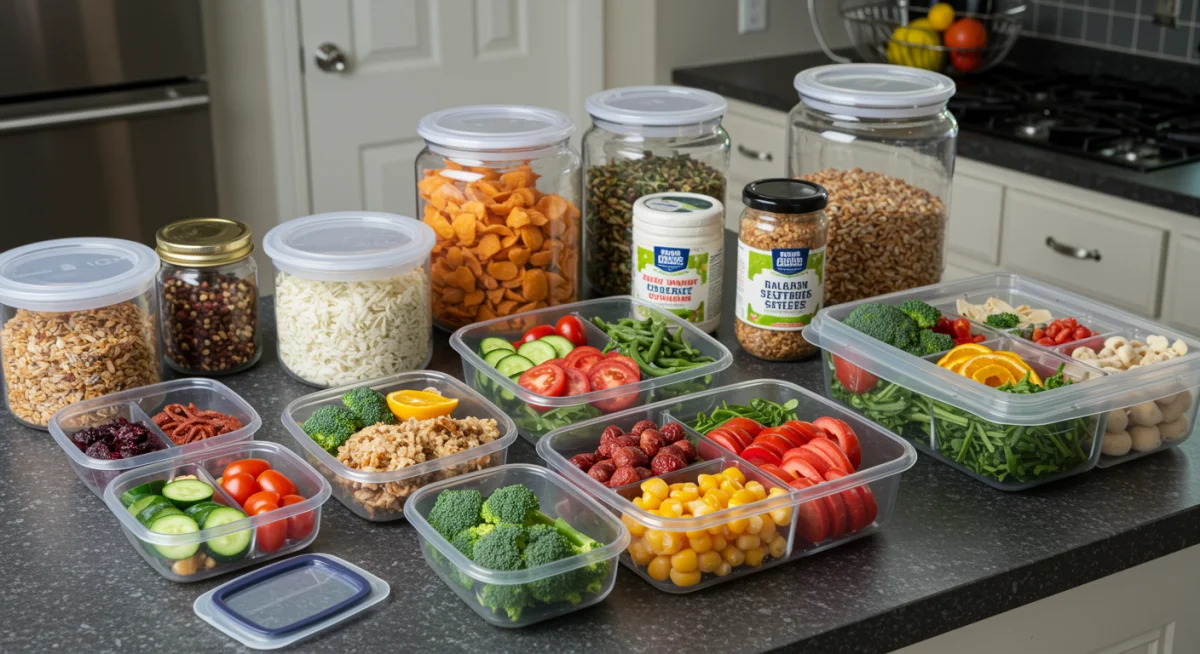
Airtight containers are non-negotiable for storing dry bulk goods. They protect against moisture, pests, and air exposure, which can all degrade food quality. Glass jars, BPA-free plastic containers, and food-grade buckets are excellent choices, depending on the volume and type of item.
Airtight containers: Essential for protection against pests and moisture.
Vacuum sealing: Ideal for extending the life of certain dry goods and frozen items.
Cool, dark places: Optimal storage conditions for most bulk staples.
Implementing a ‘first-in, first-out’ (FIFO) system
To prevent food waste, adopt the ‘first-in, first-out’ (FIFO) method. This means ensuring that older items are used before newer ones. A simple way to implement this is to place newly purchased bulk items behind existing stock, pushing the older items to the front. Labeling containers with the purchase date or expiration date can also be incredibly helpful.
Proper organization also includes categorizing items. Group similar foods together (e.g., all grains, all baking supplies) for easier inventory management. This not only makes finding items simpler but also helps you quickly assess what needs to be replenished before your next bulk shopping trip.
Ultimately, a well-thought-out storage and organization system is what transforms bulk purchases into sustained savings and a truly waste-free kitchen. It’s an investment in time and effort that pays dividends in food quality and financial prudence.
Leveraging technology and community resources
In 2025, bulk buying is no longer a solitary endeavor; technology and community resources offer powerful tools to enhance your saving potential and minimize waste. From price comparison apps to local bulk co-ops, these resources can significantly streamline your bulk buying process and connect you with like-minded individuals.
Embracing these modern aids can help you make more informed decisions, discover better deals, and even share large purchases with others, further reducing costs and preventing excess. The digital age has truly revolutionized how we can approach smart shopping.
Utilizing apps and online tools for price comparison
Before making a bulk purchase, always compare prices. Numerous apps and websites specialize in tracking unit prices across different retailers. These tools can help you determine if a bulk deal is genuinely a saving or if a smaller package at another store offers a better per-unit cost. Look for features that allow you to set price alerts for your favorite bulk items.
Grocery comparison apps: Identify the best per-unit prices across stores.
Digital coupons and loyalty programs: Maximize savings on bulk items.
Online forums and communities: Share deals and tips with other bulk buyers.
Exploring local co-ops and bulk food stores
Beyond traditional supermarkets, dedicated bulk food stores and community co-ops are invaluable resources. These establishments often specialize in selling items in large quantities, frequently at lower prices, and with an emphasis on sustainable packaging or bringing your own containers. Joining a food co-op can also provide access to exclusive discounts and a wider range of bulk options.
Participating in buying clubs or starting one with friends and neighbors can also be highly beneficial. This allows you to split very large bulk purchases that might be too much for a single household, such as a 25-pound bag of flour or a case of canned goods. This collaborative approach enhances accessibility to bulk savings for everyone involved.
By effectively leveraging technology and engaging with community resources, you can optimize your bulk buying strategy, ensuring you always get the best deals and contribute to a more sustainable consumption model.
Overcoming common bulk buying challenges
While the benefits of bulk buying are clear, it’s not without its challenges. Issues like managing storage space, preventing food waste, and the initial upfront cost can deter many. However, with proactive strategies and a bit of foresight, these hurdles can be effectively overcome, allowing you to fully reap the rewards of bulk purchasing.
Understanding these common pitfalls and knowing how to navigate them is key to a successful and sustainable bulk buying journey. It requires a mindful approach and a willingness to adapt your habits.
Addressing storage space limitations
One of the most frequent concerns is where to store large quantities of food. Small living spaces can make this particularly challenging. The solution often lies in creative storage solutions and prioritizing what to buy in bulk. Utilize vertical space with shelving, invest in under-bed storage containers, or even consider a small chest freezer for items that can be frozen.
Focus on buying bulk only for items you truly have space for. It’s better to buy a slightly smaller amount that fits comfortably than to overbuy and create clutter or potential spoilage. Regularly decluttering your pantry and kitchen can also free up valuable storage real estate.
Minimizing food waste from bulk purchases
The irony of bulk buying is the potential for increased food waste if not managed properly. To combat this, rigorous meal planning is essential. Plan your meals around the bulk items you have on hand, ensuring nothing goes unused. Freezing excess portions of cooked meals or ingredients is another effective strategy.
Additionally, learn preservation techniques like canning, dehydrating, or pickling for fresh produce bought in bulk. This extends their shelf life and prevents spoilage. Regularly check expiration dates and use a ‘first-in, first-out’ system to rotate your stock effectively.
By anticipating and addressing these common challenges, you can transform bulk buying into an efficient, waste-reducing, and cost-saving practice for your household.
As we move further into 2025 and look beyond, the landscape of bulk buying is set to evolve even more, driven by increasing consumer demand for sustainability, affordability, and convenience. The trends indicate a future where bulk options are more accessible, diverse, and integrated into everyday shopping experiences. This evolution promises even greater opportunities for savings and waste reduction.
Retailers are responding to these shifts by expanding their bulk offerings, investing in more sustainable packaging solutions, and making it easier for consumers to participate. The future of bulk buying is not just about individual actions but also about systemic changes within the retail and food industries.
Emerging trends in bulk retail and sustainability
Expect to see more dedicated bulk sections in mainstream grocery stores, offering a wider variety of products beyond traditional dry goods. Innovations in reusable packaging and refill stations are also gaining traction, allowing consumers to bring their own containers or use standardized, returnable ones provided by stores. This reduces reliance on single-use plastics even further.
Expansion of bulk sections in mainstream supermarkets.
Increased availability of refill stations for liquids and powders.
Development of standardized, returnable packaging systems.
The role of consumer awareness and advocacy
The continued growth and success of bulk buying depend heavily on informed consumers. As awareness about the financial and environmental benefits spreads, more people will adopt these practices. Consumer advocacy for more bulk options, better pricing, and sustainable retail practices will also play a crucial role in shaping the market.
Education about proper storage, meal planning, and waste reduction will become even more vital to ensure that bulk buying remains an effective and sustainable strategy. The collective action of individuals demanding more responsible consumption choices will drive innovation and make bulk buying an even more integral part of our future grocery habits.
The future of bulk buying is bright, promising a more economical and ecologically sound way to purchase groceries. By staying informed and adapting to new trends, consumers can continue to maximize their savings and minimize their environmental impact in 2025 and beyond.
Key Aspect
Brief Description
Financial Savings
Bulk buying typically offers lower per-unit costs, leading to significant long-term grocery budget reductions.
Waste Reduction
Less packaging waste and reduced food spoilage contribute to a more sustainable lifestyle.
Strategic Planning
Requires careful assessment of consumption patterns, inventory management, and a dedicated budget.
Effective Storage
Proper airtight containers and a FIFO system are crucial for maintaining freshness and preventing spoilage.
Frequently asked questions about bulk buying
What are the best items to buy in bulk to save money?▼
The best items for bulk buying are non-perishable staples with long shelf lives, such as rice, pasta, dried beans, flour, sugar, and canned goods. Household items like toilet paper, paper towels, and cleaning supplies are also excellent choices for significant savings.
How can I avoid food waste when buying in bulk?▼
To avoid waste, implement strict meal planning, use a ‘first-in, first-out’ (FIFO) storage system, and invest in proper airtight containers. Freezing excess portions or learning preservation techniques like canning or dehydrating also helps extend shelf life.
Is bulk buying always cheaper than buying smaller quantities?▼
Not always. While bulk items often have lower unit prices, it’s crucial to compare the per-unit cost. Sales on smaller packages can sometimes make them cheaper. Always check the price per ounce or pound to ensure you’re getting the best deal.
What are the best storage solutions for bulk foods?▼
Airtight containers made of glass or BPA-free plastic are essential for dry goods. For larger quantities, food-grade buckets are ideal. Vacuum sealing can extend the life of many items. Store everything in a cool, dark, and dry place away from direct sunlight.
How can technology help with bulk buying in 2025?▼
Technology offers price comparison apps to find the best unit deals, digital coupons, and online communities for sharing tips and deals. These tools streamline the process, help manage inventory, and ensure you make the most informed and cost-effective bulk purchases.
Conclusion
Embracing bulk buying in 2025 is more than just a fleeting trend; it’s a strategic approach to managing household finances and contributing to a more sustainable planet. By meticulously planning purchases, selecting appropriate items, mastering storage techniques, and leveraging modern tools, you can achieve substantial savings on your grocery bill while significantly reducing waste. This comprehensive guide provides the framework for a smarter, more efficient, and environmentally conscious shopping experience, empowering you to make informed decisions that benefit both your wallet and the world around you.