Top 5 Sustainable Fashion Brands Dominating US Trends 2025
This article delves into the top 5 sustainable fashion brands dominating US trends in 2025, offering an insider's guide to ethical style and highlighting their innovative approaches to eco-conscious clothing production and responsible consumption.
Por: adminwp2 em 24 de novembro de 2025
Última atualização em: 5 de dezembro de 2025
Advertisements
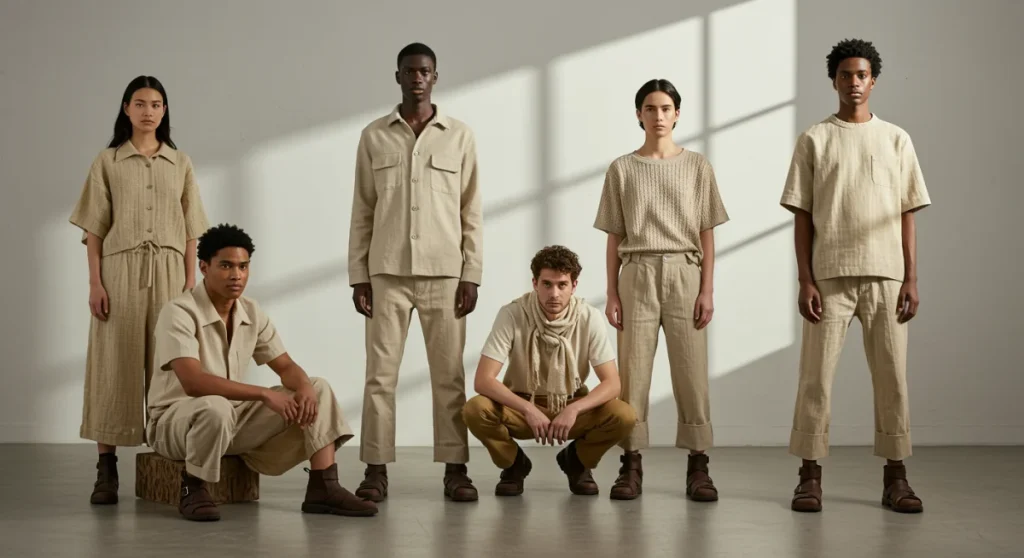
The top 5 sustainable fashion brands dominating US trends in 2025 are redefining ethical style through innovative materials, transparent supply chains, and a deep commitment to environmental and social responsibility, influencing conscious consumer choices nationwide.
Advertisements
As we navigate towards a more conscious future, understanding The Top 5 Sustainable Fashion Brands Dominating US Trends in 2025: An Insider’s Guide to Ethical Style becomes not just a trend, but a necessity. The landscape of fashion is rapidly evolving, with consumers increasingly prioritizing environmental impact and ethical production. This guide will illuminate the brands leading this transformative movement, offering insights into their innovative practices and how they are shaping the future of style.
The Rise of Conscious Consumerism and Sustainable Fashion
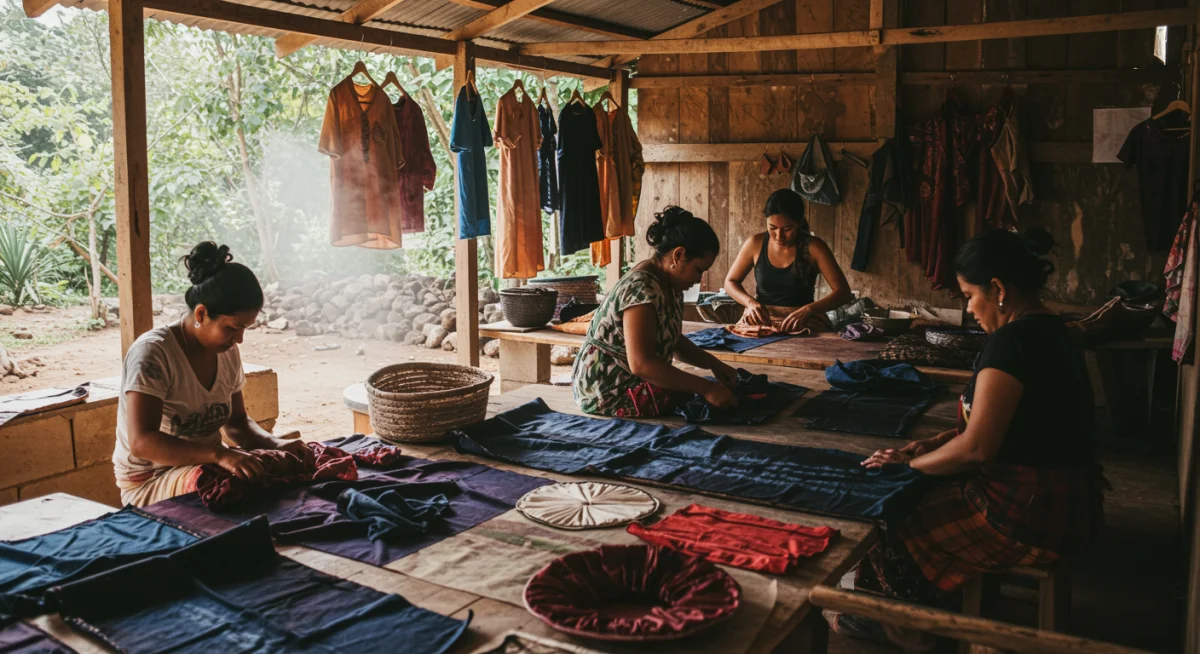
The fashion industry has long been criticized for its environmental footprint and often questionable labor practices. However, a significant shift is underway, driven by a growing awareness among consumers about the origins and impact of their clothing. This movement, often termed conscious consumerism, is fundamentally altering market demands and pushing brands towards more sustainable models.
Advertisements
This evolving mindset is not merely a niche concern; it represents a broad societal shift. People are starting to connect their purchasing decisions with global issues, from climate change to social justice. As a result, sustainable fashion is no longer a fringe concept but a mainstream expectation, particularly in markets like the United States where ethical considerations are gaining significant traction.
Redefining Value: Beyond Price and Aesthetics
For decades, value in fashion was primarily defined by price point and aesthetic appeal. Today, consumers are looking deeper, evaluating brands based on their ethical stance and environmental performance. This means considering everything from the materials used to the transparency of the supply chain and the fair treatment of workers.
Environmental Impact: Focus on carbon footprint, water usage, and waste reduction.
Ethical Production: Ensuring fair wages, safe working conditions, and no child labor.
Material Innovation: Utilizing recycled, organic, or biodegradable fabrics.
Longevity and Durability: Creating garments designed to last, promoting circularity.
The Role of Transparency and Accountability
In this new era, transparency is paramount. Brands that openly share their supply chain information, environmental reports, and social initiatives build greater trust with their audience. This accountability fosters a stronger connection between consumers and brands, differentiating genuine efforts from mere greenwashing.
The pressure for accountability comes not only from consumers but also from regulatory bodies and advocacy groups. This collective push is accelerating the adoption of sustainable practices across the industry, making it imperative for brands to adapt or risk being left behind in a rapidly changing market.
The rise of conscious consumerism is a powerful force reshaping the fashion industry. It emphasizes that true value extends beyond the superficial, encompassing environmental stewardship and social responsibility. This fundamental shift is paving the way for sustainable fashion to become the new standard, driven by informed and ethically-minded consumers.
Brand Spotlight 1: Patagonia – The Pioneer of Ethical Outdoor Wear
Patagonia has long been synonymous with environmental activism and high-quality outdoor gear. Their commitment to sustainability is deeply ingrained in their corporate philosophy, making them a trailblazer in the ethical fashion movement. For years, they have set the benchmark for what it means to be a responsible brand, influencing numerous others in the industry.
Their approach goes beyond simply using recycled materials; it encompasses every aspect of their operations, from design and manufacturing to repair and recycling programs. Patagonia’s dedication to protecting the planet is not just a marketing ploy; it’s a core tenet that guides every decision they make.
Innovative Materials and Circularity
Patagonia is renowned for its pioneering use of recycled materials, particularly recycled polyester and organic cotton. They were among the first to integrate recycled plastic bottles into their fleece products, demonstrating that performance and sustainability can coexist. Their commitment to reducing waste extends to promoting repair over replacement.
Recycled Polyester: Utilized extensively in fleeces and outerwear, diverting waste from landfills.
Organic Cotton: Sourced from farms that avoid harmful pesticides and synthetic fertilizers.
Worn Wear Program: Encourages customers to repair, reuse, and recycle their garments, extending product lifespans.
Fair Trade Certified: A significant portion of their products are made in Fair Trade Certified factories, ensuring fair wages and safe working conditions.
Environmental Activism and Transparency
Beyond their product line, Patagonia is a vocal advocate for environmental causes. They donate a percentage of their sales to environmental organizations and actively engage in campaigns to protect wild places and address climate change. Their transparency reports detail their supply chain and environmental impact, providing consumers with clear insights into their practices.
This unwavering commitment to activism and openness has built immense trust and loyalty among their customer base. Patagonia proves that a business can be both profitable and a powerful force for good, inspiring a generation of conscious consumers and ethical entrepreneurs. Their influence in 2025 continues to grow, cementing their status as a leader in sustainable fashion.
Patagonia’s enduring legacy is built on a foundation of genuine environmental stewardship and ethical business practices. Their continuous innovation in materials and unwavering commitment to advocacy demonstrate how a brand can successfully integrate sustainability into its core identity, leading the charge for a more responsible industry.
Brand Spotlight 2: Reformation – Chic Style with a Conscience
Reformation has carved out a unique niche in the sustainable fashion landscape, proving that eco-friendly clothing can be both stylish and desirable. They have successfully blended contemporary aesthetics with a rigorous commitment to sustainability, appealing to a younger, fashion-forward demographic that cares deeply about environmental impact. Their rise in popularity underscores a growing demand for fashionable yet responsible apparel.
Their brand philosophy revolves around making sustainable fashion accessible and attractive, debunking the myth that ethical choices mean compromising on style. Reformation’s designs are often seen on celebrities and influencers, further amplifying their message and reach within the US market.
Eco-Conscious Manufacturing and Materials
Reformation places a strong emphasis on sustainable manufacturing practices, meticulously tracking the environmental impact of each garment. They are known for their use of low-impact materials and their commitment to reducing waste throughout the production process. Their factories operate with a keen eye on efficiency and resource conservation.
RefScale: A tool that tracks the environmental footprint of each product, including water, waste, and carbon emissions.
Sustainable Fabrics: Prioritizes Tencel Lyocell, recycled content, and deadstock fabrics to minimize environmental impact.
Water Conservation: Implements water-saving technologies in their dyeing and finishing processes.
Local Production: A significant portion of their manufacturing occurs in Los Angeles, reducing transportation emissions and supporting local economies.
Transparency and Circularity Initiatives
Transparency is a cornerstone of Reformation’s brand identity. They provide detailed information about their supply chain and manufacturing processes, allowing consumers to make informed choices. Beyond production, they are actively exploring circularity models to extend the life of their garments and minimize textile waste.
Their commitment to circularity includes initiatives like partnerships for garment recycling and advocating for responsible care practices among their customers. Reformation demonstrates that high fashion can indeed be high-minded, setting a precedent for other brands striving to combine style with genuine sustainability. Their influence continues to expand, solidifying their position as a key player in 2025’s sustainable fashion trends.
Reformation’s success lies in its ability to merge desirability with responsibility. By offering chic, contemporary designs crafted with environmental consciousness, they have become a go-to brand for consumers who want to look good and feel good about their fashion choices, proving that sustainable style is unequivocally fashionable.
Brand Spotlight 3: Everlane – Radical Transparency in Everyday Essentials
Everlane revolutionized the fashion industry with its “Radical Transparency” philosophy, openly sharing the true costs of production, from materials to labor. This commitment to honesty has resonated deeply with consumers seeking integrity in their purchases, especially when it comes to everyday essentials. They have built a loyal following by demystifying the supply chain and empowering customers with knowledge.
Their focus on timeless designs and high-quality basics further aligns with sustainable principles, promoting longevity over fleeting trends. Everlane proves that essential wardrobe pieces can be produced ethically and transparently, without compromising on style or affordability.
Ethical Factories and Cost Breakdown
A core tenet of Everlane’s approach is their strict vetting process for factories. They partner only with facilities that meet rigorous ethical standards, ensuring fair wages, reasonable hours, and a safe environment for workers. This dedication to ethical production is central to their brand promise and differentiates them in a competitive market.
Factory Audits: Regular assessments to ensure compliance with ethical labor standards.
Cost Transparency: Detailed breakdown of material, labor, transport, duties, and mark-up costs for each product.
High-Quality Materials: Focus on durable fabrics like organic cotton, recycled cashmere, and Tencel to ensure product longevity.
Minimalist Design: Creating timeless pieces that transcend seasonal trends, encouraging less consumption.
Environmental Initiatives and Material Innovation
While their initial focus was on labor transparency, Everlane has increasingly expanded its environmental commitments. They are actively working towards eliminating virgin plastics from their supply chain and increasing the use of recycled and organic materials. This holistic approach addresses both social and environmental aspects of sustainability.
Their ambitious environmental goals, combined with their unwavering commitment to transparent pricing and ethical manufacturing, make Everlane a powerful force in the sustainable fashion movement. In 2025, their model continues to inspire other brands to adopt similar practices, proving that transparency and ethics can be powerful business drivers.
Everlane’s radical transparency has set a new standard for accountability in fashion. By shedding light on the often-opaque production process, they empower consumers to make informed choices, demonstrating that everyday essentials can be both ethically made and environmentally conscious, fostering a deeper trust between brand and customer.
Eileen Fisher has been a quiet leader in sustainable fashion for decades, long before it became a mainstream concern. Their dedication to timeless design, quality craftsmanship, and environmental responsibility has cultivated a loyal customer base that values longevity and ethical production. Their garments are designed to be relevant for years, embodying a philosophy of mindful consumption.
The brand’s commitment extends beyond their clothing, encompassing broader initiatives focused on regenerative agriculture and circular economy principles. Eileen Fisher represents a holistic vision for sustainable fashion, addressing the entire lifecycle of a garment.
Organic Materials and Circularity Programs
Eileen Fisher is a significant user of organic and responsibly sourced materials, prioritizing fibers that have a lower environmental impact. They are also pioneers in circularity, with robust programs designed to extend the life of their clothing and minimize waste, showcasing a true commitment to a closed-loop system.
Organic Cotton & Linen: Extensive use of certified organic fibers, supporting healthier ecosystems.
Responsible Wool: Sourcing from farms that adhere to strict animal welfare and land management standards.
Take-Back Program: Customers can return worn Eileen Fisher garments for credit, which are then resold or recycled.
Renew Program: Refurbishing and reselling gently used garments, diverting them from landfills.
Social Responsibility and Supply Chain Integrity
The brand’s commitment to social responsibility is evident in its efforts to ensure fair labor practices throughout its supply chain. They work closely with their suppliers to promote safe working conditions and fair wages, fostering an environment of respect and equity. This dedication to integrity underpins their entire operation.
Eileen Fisher’s long-standing commitment to sustainability, combined with their focus on timeless design and innovative circularity programs, positions them as a continued leader in ethical fashion for 2025. Their influence lies in demonstrating that enduring style and profound environmental responsibility can coexist harmoniously, inspiring both consumers and industry peers.
Eileen Fisher embodies the essence of sustainable luxury, proving that elegant, high-quality clothing can be produced with deep respect for both people and the planet. Their pioneering efforts in circularity and regenerative practices continue to set a high bar for the industry, fostering a future where fashion is truly sustainable.
Brand Spotlight 5: Outerknown – Sustainable Surf and Lifestyle Apparel
Founded by surfing legend Kelly Slater, Outerknown brings a unique perspective to sustainable fashion, blending a passion for the ocean with a commitment to ethical production. They specialize in comfortable, stylish surf and lifestyle apparel made with environmental responsibility at its core. Their brand narrative is deeply intertwined with ocean conservation and responsible living.
Outerknown’s aesthetic reflects a relaxed, authentic vibe, appealing to consumers who value both style and sustainability in their everyday lives. They demonstrate that performance and casual wear can also be produced with a strong ethical foundation.
Recycled Materials and Fair Labor Practices
Outerknown is a leader in utilizing recycled and organic materials, particularly for their board shorts and casual wear. Their commitment to fair labor practices is also a cornerstone of their operations, ensuring that everyone involved in their supply chain receives fair treatment and safe working conditions. This dual focus on people and planet is central to their mission.
Econyl: Uses regenerated nylon from fishing nets and other waste for swimwear and outerwear.
Organic Cotton: Featured prominently in their t-shirts, hoodies, and casual wear.
Fair Trade Certified: A significant portion of their collection is produced in Fair Trade Certified factories.
Bluesign Approved: Ensures responsible and sustainable manufacturing of textile products.
Traceability and Community Engagement
Outerknown is dedicated to supply chain traceability, working to understand and improve every step of their production process. They also actively engage in community initiatives and partnerships focused on ocean conservation, reinforcing their commitment to the environment that inspires their brand. This engagement builds a strong, values-aligned community around their products.
As 2025 unfolds, Outerknown’s blend of authentic style, innovative sustainable materials, and unwavering commitment to ocean health continues to make them a prominent and influential brand in the US sustainable fashion market. They are a testament to how passion and purpose can drive a successful and responsible business.
Outerknown successfully marries the laid-back surf lifestyle with rigorous sustainable practices. Their emphasis on recycled materials, fair labor, and ocean conservation makes them a powerful example of how lifestyle brands can lead with purpose, inspiring consumers to embrace a more conscious way of dressing and living.
Future Trends and the Evolving Landscape of Ethical Style
The sustainable fashion movement in the US is not static; it is continually evolving, driven by technological advancements, changing consumer expectations, and a deeper understanding of environmental and social impacts. Looking towards 2025 and beyond, several key trends are poised to shape the future of ethical style, pushing the boundaries of what is possible.
These emerging trends highlight a collective shift towards more holistic and integrated approaches to sustainability. From bio-engineered materials to advanced recycling technologies, the industry is moving rapidly towards innovative solutions that address complex environmental challenges, while also catering to consumer demands for stylish and durable products.
Advanced Material Innovation
The development of new, sustainable materials is at the forefront of this evolution. We are seeing continued breakthroughs in bio-based textiles, such as mushroom leather and fabrics derived from agricultural waste. These innovations offer promising alternatives to traditional resource-intensive materials, significantly reducing environmental footprints.
Myco-Materials: Leather alternatives made from fungi, offering a biodegradable and cruelty-free option.
Cellulose-Based Fibers: Fabrics derived from wood pulp or plant waste, requiring less water and pesticides than traditional cotton.
Lab-Grown Fibers: Research into creating fibers in laboratories that mimic natural properties without the extensive land or water use.
Smart Textiles: Developing fabrics with integrated functionalities that can prolong garment life or offer new sustainable properties.
The Circular Economy and Digital Transformation
The concept of a truly circular fashion economy is gaining momentum, moving beyond simply recycling to encompass design for longevity, repair, resale, and ultimately, regeneration. Digital technologies are playing a crucial role in enabling this shift, from blockchain for supply chain transparency to AI-driven design for waste reduction.
Digital platforms are also facilitating the growth of resale and rental markets, further extending the lifecycle of garments. This digital transformation is not just about efficiency; it’s about creating interconnected systems that support a more sustainable and responsible fashion ecosystem. The integration of these technologies will define the next phase of ethical style, making circularity more achievable and widespread.
The future of ethical style is characterized by continuous innovation and a deepening commitment to circularity. As technology advances and consumer awareness grows, the industry will continue to find new ways to minimize its impact, offering a broader range of truly sustainable and stylish options. This dynamic landscape promises an exciting and responsible future for fashion.
Key Aspect
Description
Conscious Consumerism
Growing consumer demand for ethical and eco-friendly practices driving market shifts.
Material Innovation
Focus on recycled, organic, and bio-based fabrics to reduce environmental impact.
Transparency & Ethics
Brands prioritizing open supply chains, fair labor, and clear environmental reporting.
Circularity
Emphasis on design for longevity, repair, resale, and recycling to minimize waste.
Frequently Asked Questions About Sustainable Fashion in 2025
What defines a sustainable fashion brand in 2025?▼
In 2025, a sustainable fashion brand is defined by its comprehensive commitment to environmental and social responsibility. This includes using eco-friendly materials, ensuring ethical labor practices, maintaining supply chain transparency, and implementing circular economy principles like take-back and repair programs to minimize waste.
How do these top brands ensure ethical labor?▼
Leading sustainable brands ensure ethical labor through various mechanisms. These include rigorous factory audits, partnerships with Fair Trade Certified factories, transparent reporting on working conditions, and advocating for fair wages and safe environments. They prioritize human rights throughout their entire production process, from raw material sourcing to final assembly.
Are sustainable fashion brands more expensive?▼
While some sustainable fashion items may have a higher initial price point due to ethical sourcing, quality materials, and fair labor, they often offer better durability and longevity. This can lead to a lower cost per wear over time. Brands like Everlane also promote transparency to show the true cost, justifying the investment.
What role does technology play in sustainable fashion?▼
Technology is crucial in advancing sustainable fashion. It enables innovations like bio-engineered fabrics, improves supply chain traceability through blockchain, and optimizes design processes to reduce waste using AI. Digital platforms also facilitate the growth of resale and rental markets, promoting a more circular economy in clothing consumption.
How can I start building a more sustainable wardrobe?▼
To build a sustainable wardrobe, start by investing in high-quality, timeless pieces from ethical brands. Prioritize versatile items, care for your clothes properly to extend their life, and explore options like thrifting, clothing swaps, or rental services. Conscious consumption means buying less, choosing well, and making your garments last longer.
Conclusion
The journey towards a more sustainable fashion industry is well underway, with the US market at the forefront of this transformation. The brands highlighted—Patagonia, Reformation, Everlane, Eileen Fisher, and Outerknown—are not just selling clothes; they are selling a vision of a responsible future. Their innovative approaches to materials, ethical production, and circularity are setting new standards and inspiring both consumers and competitors. As we move further into 2025, the influence of these pioneers will only grow, solidifying ethical style as the benchmark for modern fashion. Embracing these brands means investing in quality, integrity, and a healthier planet, proving that conscious choices can indeed be both stylish and impactful.