This guide outlines a strategic approach to curating a high-quality, US-centric wardrobe in three months for under $500, emphasizing sustainable choices over fast fashion to build lasting style.
Por: adminwp2 em 12 de novembro de 2025
Última atualização em: 3 de fevereiro de 2026
Advertisements
Curating a high-quality, US-centric wardrobe in three months for under $500 is achievable by prioritizing versatile pieces, smart shopping, and embracing sustainable practices over fast fashion.
Advertisements
Are you ready to move beyond fast fashion: how to curate a high-quality US-centric wardrobe in 3 months for under $500? It might sound like a challenge, but building a stylish, durable, and budget-friendly collection of clothes is entirely within reach for anyone in the United States.
Understanding the Fast Fashion Dilemma and the US Market
The allure of fast fashion, with its ever-changing trends and incredibly low prices, is undeniable. However, this model often comes at a significant cost, both environmentally and ethically. Garments are typically made with cheap materials and labor, designed to be discarded after only a few wears. This contributes to massive waste, pollution, and often exploitative working conditions. For those aiming to build a wardrobe that truly reflects personal style and values, understanding these downsides is the first step towards a more conscious approach. The US market, while saturated with fast fashion options, also offers a burgeoning landscape of sustainable brands, resale platforms, and local artisans.
Advertisements
Moving away from this cycle doesn’t mean sacrificing style or breaking the bank. It means making intentional choices, focusing on quality over quantity, and understanding the true value of clothing. This shift requires a different mindset, one that prioritizes longevity, versatility, and personal expression over fleeting trends. It’s about investing in pieces that will stand the test of time, both in terms of durability and timeless design, allowing for a more cohesive and adaptable wardrobe.
The environmental and social impact
The environmental footprint of fast fashion is staggering. From excessive water usage in cotton production to the release of microplastics from synthetic fabrics, its impact is far-reaching. Socially, garment factory workers, often in developing countries, face low wages and unsafe conditions. Choosing to buy less and buy better directly combats these issues. It supports a more ethical supply chain and reduces the demand for mass-produced, disposable items. This conscious consumption aligns with a growing desire for transparency and responsibility within the fashion industry.
Reduced textile waste in landfills.
Lower carbon emissions from production and transport.
Improved working conditions for garment workers.
Support for sustainable and ethical brands.
Ultimately, navigating the US market requires discernment. While large retailers still dominate, there’s an increasing number of smaller, independent brands focusing on quality, sustainability, and ethical production. Exploring these options, combined with smart second-hand shopping, forms the foundation of building a high-quality wardrobe without contributing to fast fashion’s negative impacts. This initial understanding sets the stage for a more thoughtful and informed approach to curating your personal style.
Defining Your Personal Style and Wardrobe Needs
Before you even think about shopping, the most crucial step is to define your personal style and understand your lifestyle needs. This isn’t about replicating trends you see online, but about identifying what truly makes you feel confident and comfortable. Take time to reflect on your daily activities, your work environment, and your social life. What kind of clothes do you genuinely enjoy wearing? What colors and silhouettes flatter you most? This self-assessment will serve as your compass, guiding every purchase and preventing impulse buys that don’t align with your vision.
A well-defined personal style acts as a filter, allowing you to quickly identify pieces that will integrate seamlessly into your existing wardrobe. It also helps in creating a cohesive look, making it easier to mix and match items for various occasions. Without this foundational understanding, even the most high-quality items can end up unworn, contributing to closet clutter and wasted money. This stage is about thoughtful planning, ensuring every item you acquire serves a purpose and reflects who you are.
Identifying core pieces and color palettes
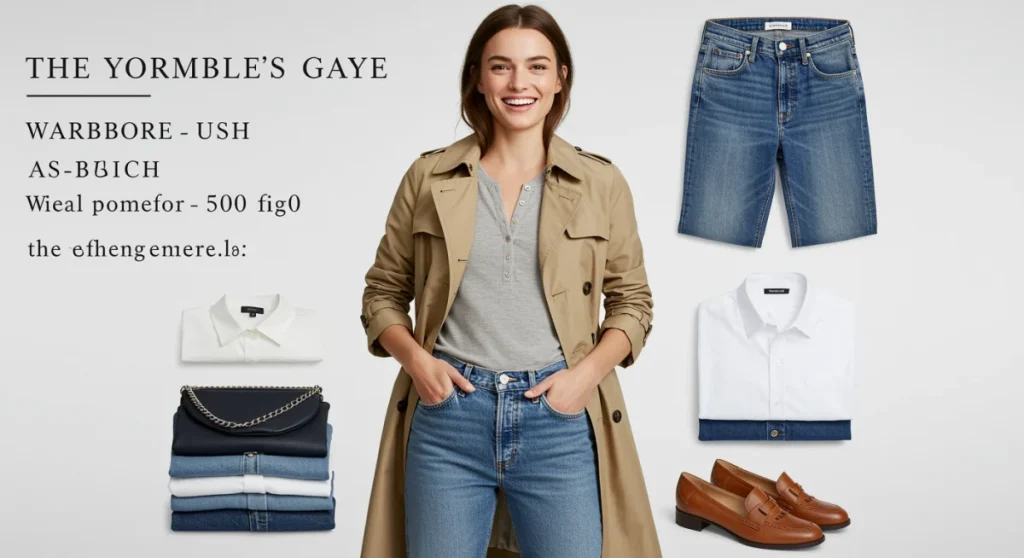
Start by identifying the core pieces that form the backbone of your daily outfits. These are typically versatile items that can be dressed up or down. Think about classic staples like well-fitting jeans, a crisp white shirt, a comfortable neutral sweater, and a versatile jacket. Next, consider your preferred color palette. Do you lean towards neutrals, or do you enjoy pops of color? A cohesive color scheme makes it much easier to create multiple outfits from a limited number of items.
Identify 5-7 core wardrobe staples.
Determine your dominant color palette (e.g., neutrals with 1-2 accent colors).
Consider your lifestyle: casual, professional, active, etc.
Create a mood board or Pinterest board for visual inspiration.
By clearly defining your style and needs, you’ll avoid the common pitfalls of overspending on items you don’t truly love or need. This strategic clarity is invaluable, especially when working with a strict budget. It ensures that every dollar spent contributes meaningfully to your desired wardrobe, moving you closer to a collection of clothes that truly serves you.
Strategic Shopping: Maximizing Your Budget in the US
With your personal style defined, the next step is strategic shopping, which is paramount for curating a US wardrobe under $500. This involves knowing where to look for quality items without paying full retail prices. The US market offers a wealth of options beyond traditional retail, from thriving second-hand economies to outlet stores and end-of-season sales. The key is patience, research, and a clear understanding of what constitutes good value. This phase is about being a smart consumer, making informed decisions that stretch your budget further.
Don’t be afraid to think outside the box. High-quality doesn’t always mean brand new or expensive. Often, the best finds are hidden in plain sight, waiting for a discerning eye to discover them. This approach not only saves money but also contributes to a more sustainable consumption model, giving new life to pre-owned items and reducing demand for new production. It’s an exciting treasure hunt that rewards those who are willing to put in a little effort.
Thrift stores, consignment, and resale apps
Second-hand shopping is perhaps the most effective way to acquire high-quality pieces at a fraction of their original cost. US thrift stores like Goodwill and Salvation Army often yield hidden gems. Consignment stores typically offer a more curated selection of designer or higher-end brands. Online resale platforms such as Poshmark, ThredUp, and Depop provide access to an even wider array of pre-owned clothing from across the country. Always inspect items thoroughly for quality, fabric content, and signs of wear before purchasing.
Regularly check local thrift and consignment stores.
Utilize online resale apps for specific brand or item searches.
Look for natural fibers like cotton, wool, linen, and silk.
Prioritize classic styles over trendy items for longevity.
Outlet malls and sales events
Another excellent strategy is to leverage outlet malls and major sales events. While outlets sometimes carry lines specifically made for them, many also offer genuine overstock or past-season items from reputable brands at significant discounts. Keep an eye out for end-of-season clearances, Black Friday, and Cyber Monday sales. Signing up for email newsletters from your favorite brands can also provide early access to promotions. Always compare prices to ensure you’re getting a true deal.
By combining these strategic shopping methods, you can build a robust, high-quality wardrobe without exceeding your $500 budget. This approach requires patience and a keen eye, but the satisfaction of finding durable, stylish pieces at an unbeatable price is incredibly rewarding. It transforms shopping from a passive activity into an active pursuit of value and sustainability.
Building Your Capsule Wardrobe: The Three-Month Plan
The concept of a capsule wardrobe is central to curating a high-quality collection efficiently and within a budget. It involves selecting a limited number of versatile clothing items that can be mixed and matched to create numerous outfits. Over three months, you’ll systematically build this foundation, focusing on essential pieces first and then gradually adding complementary items. This structured approach prevents impulsive purchases and ensures every new item adds value and utility to your collection. The goal is to maximize wearability and minimize waste.
Each month will have a specific focus, allowing you to spread out your budget and make thoughtful decisions. This phased approach also gives you time to assess what you truly need and what works best with the pieces you’ve already acquired. By the end of the three months, you’ll have a cohesive, functional, and stylish wardrobe that serves all your daily needs without feeling overwhelming or expensive.
Month 1: The foundation – essentials and neutrals
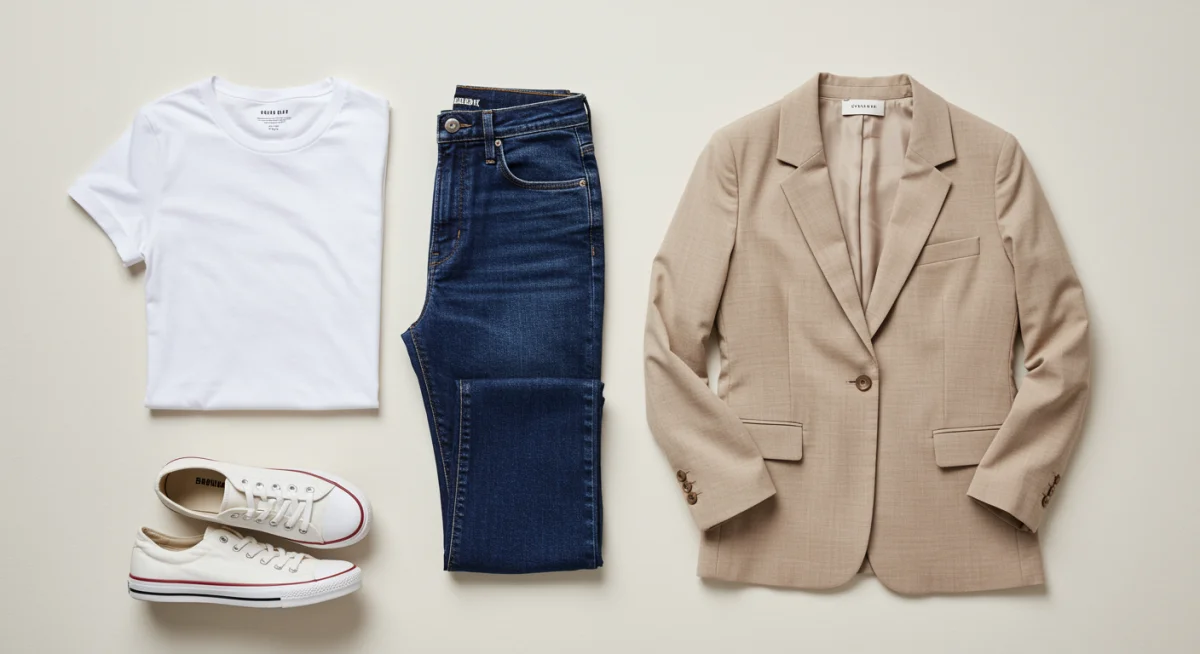
During the first month, concentrate on acquiring the absolute essentials in neutral colors. These are the versatile building blocks that will form the core of your wardrobe. Think about items like two pairs of well-fitting bottoms (jeans, trousers, or skirts), three to four versatile tops (t-shirts, long-sleeved tops, or blouses), and one comfortable layering piece (a cardigan or light jacket). Focus on quality fabrics and classic cuts that won’t go out of style. This initial investment sets the stage for everything else.
Month 2: Adding versatility – layers and complementary items
In the second month, expand on your foundation by adding complementary pieces and versatile layers. This might include a blazer, a dress that can be styled casually or formally, or another pair of bottoms in a different style or color. Introduce one or two accent colors that work well with your established neutral palette. Look for items that can be worn in multiple seasons or for various occasions, enhancing the versatility of your existing wardrobe. This is where your personal style starts to truly shine through.
The key here is smart layering. A versatile jacket or blazer can transform an outfit, making it suitable for different temperatures and settings. Consider items that can transition easily from day to night, or from work to weekend. This strategic addition of versatile pieces ensures that your wardrobe remains adaptable and functional, providing you with a wide range of outfit possibilities from a relatively small collection of items. This month is about refining your look.
Month 3: Accessories and finishing touches
The final month is dedicated to accessories and any remaining essential items that will complete your wardrobe. This includes a versatile pair of shoes (sneakers, flats, or boots), a functional and stylish bag, and perhaps a belt or scarf. These finishing touches can elevate simple outfits and add personality. This is also the time to fill any small gaps you’ve identified in the previous two months, ensuring your wardrobe is fully functional and truly reflects your style. Remember, accessories don’t have to be expensive; focus on quality and versatility.
By the end of these three months, you should have a cohesive, high-quality wardrobe that meets your needs, reflects your personal style, and respects your budget. This structured approach demonstrates that building a sophisticated wardrobe doesn’t require endless spending, but rather thoughtful planning and strategic choices.
Quality Over Quantity: Identifying Durable Fabrics and Construction
When curating a high-quality US wardrobe under $500, the mantra should always be quality over quantity. This means consciously choosing garments made from durable fabrics with sound construction, designed to last years rather than months. Fast fashion thrives on synthetic, flimsy materials and shortcuts in manufacturing, leading to items that quickly lose their shape, fade, or fall apart. A discerning eye for quality is your most powerful tool in breaking this cycle and ensuring your investment pays off in longevity and sustained style.
Understanding fabric compositions and basic garment construction techniques empowers you to make informed decisions. It allows you to differentiate between a piece designed for durability and one intended for disposability. This knowledge is particularly valuable when shopping second-hand, where you might encounter a wider range of materials and varying levels of craftsmanship. By prioritizing these attributes, you build a wardrobe that not only looks good but also feels good and holds up to repeated wear and washing.
Recognizing quality fabrics
Natural fibers like cotton, linen, wool, and silk are generally more durable, breathable, and comfortable than most synthetics. When examining cotton, look for denser weaves. For wool, consider merino or cashmere blends for softness and warmth. Linen is excellent for breathability, and silk offers a luxurious feel. While some synthetics, like Tencel or modal, can be sustainable and durable, always check the blend and feel. Avoid flimsy, sheer, or overly stretchy fabrics that are prone to pilling or losing shape quickly.
Check for fabric blends that enhance durability or performance.
Avoid thin, easily stretched, or rough synthetic materials.
Inspecting garment construction
Beyond the fabric, the way a garment is put together speaks volumes about its quality. Examine the seams: they should be straight, even, and lie flat without puckering. Look for generous seam allowances, which indicate durability. Buttons should be securely sewn, and buttonholes should be neatly finished. Zippers should glide smoothly and be sturdy. Pay attention to details like pattern matching at seams, which suggests careful craftsmanship. A well-constructed garment will often have a heavier, more substantial feel.
Even when shopping online, product descriptions often provide details on fabric composition and sometimes construction. Reading reviews can also offer insights into the durability of a brand’s clothing. By becoming an expert in identifying quality, you ensure that every item you bring into your wardrobe is a lasting asset, contributing to a truly high-quality and sustainable collection. This focus on durability is a cornerstone of moving beyond the fast fashion paradigm.
Care and Maintenance: Extending the Life of Your Wardrobe
Acquiring high-quality pieces is only half the battle; proper care and maintenance are equally crucial for extending the life of your US wardrobe under $500. Even the most durable fabrics can be damaged by improper washing, drying, or storage. By adopting mindful care routines, you not only preserve the appearance and integrity of your clothes but also reduce the need for frequent replacements, further supporting your budget and sustainable goals. This proactive approach ensures your investments continue to look their best for years to come.
Understanding the specific needs of different fabrics is key. What works for cotton might be detrimental to wool or silk. Taking a few extra minutes to read care labels and follow their instructions can make a significant difference in how long your garments last. This attention to detail transforms the chore of laundry into an act of preservation, honoring the craftsmanship and resources that went into creating each piece.
Washing and drying techniques
Always read the care label inside your garments. For delicate items like silk or wool, hand washing or using a gentle cycle with cold water is often recommended. Avoid harsh detergents and excessive heat, which can shrink or damage fibers. Air drying is generally gentler than machine drying and helps prevent shrinkage and wear. If machine drying, use the lowest heat setting. For items that don’t need frequent washing, spot cleaning can save water and reduce wear and tear.
Follow care label instructions meticulously.
Use cold water and gentle cycles for delicates.
Air dry whenever possible to preserve fabric integrity.
Spot clean minor stains instead of full washes.
Proper storage and minor repairs
How you store your clothes also impacts their longevity. Fold heavy sweaters to prevent stretching, and hang delicate blouses on padded hangers. Keep clothes in a dry, well-ventilated area to prevent mildew. Address minor repairs promptly; a loose button or a small tear can quickly escalate if ignored. Learning basic mending skills, like sewing on a button or stitching a seam, can save you money and extend the life of your favorite items. These small acts of care contribute significantly to the overall durability and appearance of your wardrobe.
By integrating these care and maintenance practices into your routine, you ensure that your carefully curated wardrobe remains in excellent condition. This commitment to longevity is a fundamental aspect of moving beyond the fast fashion paradigm.
Embracing a Mindful Approach to Fashion Consumption
The journey to curate a high-quality US-centric wardrobe under $500 culminates in embracing a mindful approach to fashion consumption. This isn’t just about the clothes themselves, but about fostering a conscious relationship with what you wear and how you acquire it. It signifies a departure from impulsive buying and a move towards intentional choices that align with personal values, budget constraints, and environmental responsibility. A mindful approach means every piece in your closet serves a purpose, brings joy, and was acquired through thoughtful consideration.
This mindset extends beyond the initial three-month challenge, becoming a sustainable practice for future fashion decisions. It encourages you to ask critical questions before every purchase: Do I truly need this? Does it align with my style? Is it well-made and durable? Can I find a similar item second-hand? By internalizing these questions, you cultivate a wardrobe that is not only stylish and high-quality but also deeply personal and reflective of a considered lifestyle.
The long-term benefits of conscious choices
Adopting a mindful approach offers numerous long-term benefits. Financially, it prevents unnecessary spending and allows for better allocation of resources. Environmentally, it reduces your personal carbon footprint and contributes to less waste. Ethically, it supports fair labor practices and sustainable production methods. Personally, it fosters a sense of confidence derived from a wardrobe that truly fits your identity and values, eliminating decision fatigue and promoting self-expression.
Reduced financial waste and better budget control.
Significant positive environmental impact.
Support for ethical and sustainable fashion brands.
Increased personal style confidence and clarity.
Influencing others and inspiring change
Your mindful consumption choices can also have a ripple effect, inspiring friends, family, and even your wider community to reconsider their fashion habits. By demonstrating that it’s possible to build a stylish, high-quality wardrobe on a budget, you challenge prevailing norms and show that sustainable fashion is accessible and desirable. This advocacy, even if unintentional, contributes to a broader shift towards a more responsible and ethical fashion industry. It’s a powerful statement that goes beyond personal style, touching upon larger societal and environmental concerns.
Ultimately, curating a high-quality US-centric wardrobe within a $500 budget over three months is more than just a fashion challenge; it’s an exercise in intentional living. It proves that style, sustainability, and savings can coexist, creating a wardrobe that you not only love to wear but also feel good about owning.
Key Strategy
Brief Description
Define Your Style
Identify personal preferences and lifestyle needs before shopping to avoid impulse buys.
Strategic Shopping
Utilize thrift stores, resale apps, and sales to find quality items within budget.
Prioritize Quality
Focus on durable fabrics and strong construction for longevity over fleeting trends.
Mindful Maintenance
Proper care extends garment life, reducing replacement needs and saving money.
Frequently Asked Questions About Budget Wardrobe Curation
Is it truly possible to build a high-quality wardrobe for under $500?▼
Yes, absolutely. By strategically shopping at thrift stores, consignment shops, using resale apps, and taking advantage of sales, you can find excellent quality pieces at a fraction of their original cost. The key is patience and a keen eye for good materials and construction.
What are the best places in the US to find affordable, quality clothing?▼
Great places include local thrift stores (Goodwill, Salvation Army), higher-end consignment boutiques, online resale platforms like Poshmark and ThredUp, and outlet malls during major sales. Don’t forget local vintage shops for unique, durable finds.
How do I identify high-quality fabrics and construction?▼
Look for natural fibers like cotton, wool, linen, and silk, which offer durability and breathability. Inspect seams for evenness and strength, ensure buttons are securely sewn, and check zippers for smooth operation. Avoid flimsy or overly thin materials.
What types of clothing should I prioritize for a US-centric capsule wardrobe?▼
Focus on versatile basics that can be mixed and matched. This includes well-fitting jeans, neutral tops, a classic blazer or cardigan, and a versatile dress. These pieces form the foundation and can be adapted for various occasions and seasons.
How can I make my clothes last longer and reduce the need to buy new items?▼
Proper care is essential. Always follow care labels, wash delicate items gently, and air dry whenever possible. Store clothes correctly and address minor repairs promptly. These practices significantly extend the lifespan of your garments.
Conclusion
Curating a high-quality, US-centric wardrobe within a three-month timeframe and under a $500 budget is not merely an aspiration but a tangible goal achievable through strategic planning and mindful consumption. By rejecting the rapid cycle of fast fashion and embracing a more thoughtful approach to what we wear, individuals can build a stylish, durable, and ethically sound collection of garments. This journey emphasizes personal style, smart shopping, an understanding of quality, and diligent care, ultimately leading to a wardrobe that serves you well while honoring both your budget and your values.