Smart Home Security: 2025’s 5 Most Reliable Systems
This comprehensive guide explores the top 5 most reliable smart home security systems for 2025, offering essential insights for consumers in the United States to make informed decisions about protecting their homes and loved ones with cutting-edge technology.
Por: adminwp2 em 17 de novembro de 2025
Última atualização em: 5 de dezembro de 2025
Advertisements
The top 5 most reliable smart home security systems for 2025 offer advanced features, seamless integration, and proactive protection, ensuring comprehensive peace of mind for homeowners.
Advertisements
Investing in a robust home security system is no longer a luxury but a necessity in today’s interconnected world. As technology advances, so do the capabilities of systems designed to protect our most valuable assets. This guide delves into the world of smart home security systems, helping you navigate the myriad of options available in 2025 to find the perfect fit for your household.
The Evolution of Smart Home Security
Advertisements
Smart home security has transformed significantly over the past decade, moving beyond simple alarms to integrated ecosystems. These systems now offer proactive defense, real-time monitoring, and seamless connectivity, allowing homeowners unprecedented control and awareness.
Early security systems were often reactive, sounding an alarm only after a breach. Today, 2025’s leading solutions leverage artificial intelligence, machine learning, and advanced sensor technology to predict and prevent incidents before they escalate. This paradigm shift provides a much higher level of protection and peace of mind for families.
Key Technological Advancements
The core of modern smart home security lies in its sophisticated technology. Innovations have made systems more user-friendly, effective, and customizable than ever before. Understanding these advancements is crucial for making an informed decision.
AI-Powered Analytics: Cameras can now differentiate between pets, people, and vehicles, reducing false alarms and focusing alerts on genuine threats.
Edge Computing: Data processing occurs directly on devices, enhancing privacy and speeding up response times by minimizing reliance on cloud servers.
Biometric Authentication: Fingerprint and facial recognition add an extra layer of security for access control, ensuring only authorized individuals can enter.
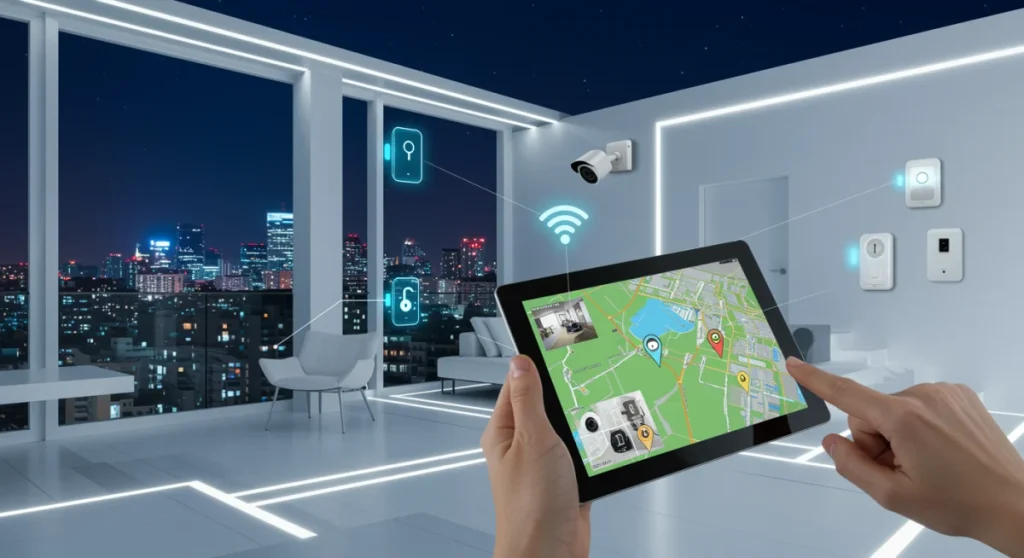
Integrated Ecosystems: Security systems seamlessly connect with other smart home devices like lighting, thermostats, and voice assistants for enhanced automation and control.
The integration of these technologies ensures that your security system isn’t just a standalone defense mechanism but an integral part of your smart home environment. This interconnectedness allows for complex automation routines, such as lights turning on if an intrusion is detected, or doors locking automatically when you leave the house.
Looking ahead, the trend is towards even greater autonomy and predictive capabilities. Systems will become more intuitive, learning your habits and adjusting security protocols accordingly. This continuous evolution means that choosing a reliable system in 2025 is about investing in future-proof technology that will adapt to emerging threats and new innovations.
Evaluating Reliability: What Matters Most?
When it comes to smart home security systems, reliability is paramount. A system that fails when you need it most is worse than having no system at all. Several factors contribute to a system’s overall reliability, from hardware quality to customer support.
Understanding these critical aspects helps you cut through the marketing jargon and focus on what truly protects your home. It’s not just about the number of features, but how consistently and effectively those features perform under various conditions.
Hardware Durability and Performance
The physical components of your security system must withstand daily wear and tear, as well as potential tampering. High-quality sensors, cameras, and control panels are essential for long-term reliability.
Weather Resistance: Outdoor cameras and sensors should be rated for extreme temperatures and moisture to ensure continuous operation.
Tamper Detection: Devices should alert you if they are being interfered with or removed from their mounts.
Battery Backup: Essential for maintaining functionality during power outages, ensuring continuous protection.
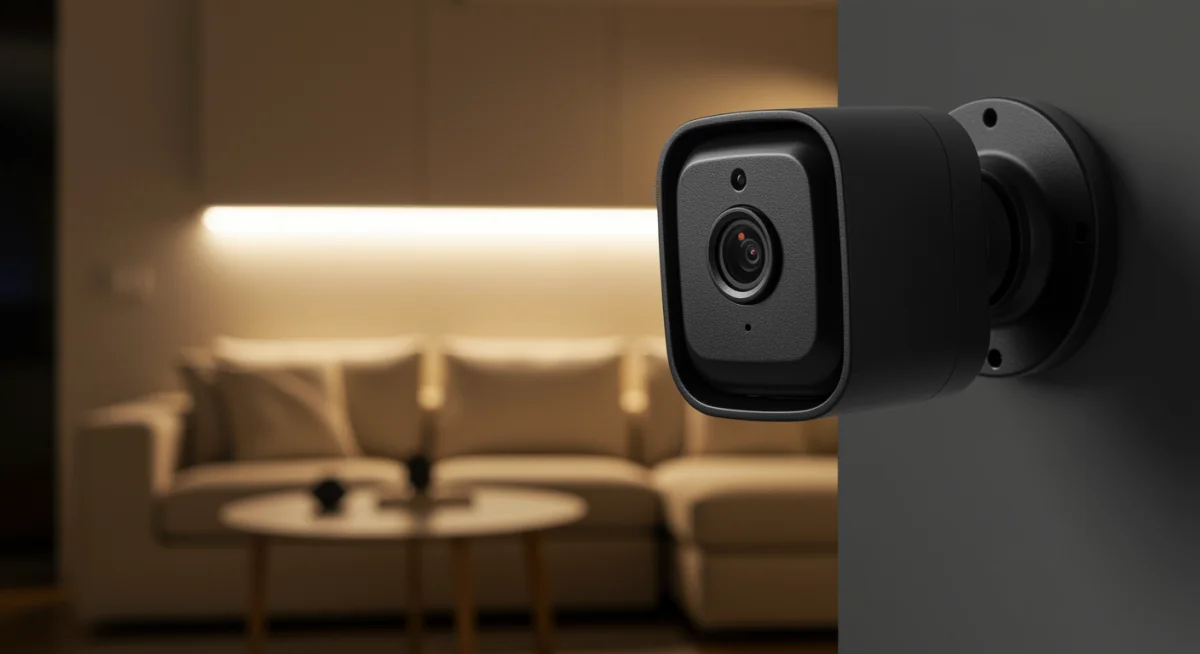
High-Resolution Cameras: Clear images and video are crucial for identification and evidence, even in low-light conditions.
Beyond physical resilience, the performance of the hardware, particularly in terms of connectivity and responsiveness, is vital. Lagging video feeds or delayed sensor alerts can compromise your security. Reliable systems boast quick data transmission and minimal latency.
Network Security and Data Privacy
In a smart home, your security system is constantly connected to the internet, making network security a critical concern. Protecting your data from cyber threats is just as important as physical protection.
Reputable companies prioritize robust encryption protocols and secure cloud storage. They also offer multi-factor authentication for app access, safeguarding your system from unauthorized digital entry. Always review a company’s privacy policy to understand how your data is collected, stored, and used.
A reliable system will also provide regular software updates to patch vulnerabilities and enhance security features, ensuring your system remains protected against evolving cyber threats. This proactive approach to digital security is a hallmark of trustworthy providers.
Top 5 Smart Home Security Systems for 2025
After extensive research and evaluation, we’ve identified the five most reliable smart home security systems that stand out in 2025. These systems excel in technology, reliability, customer service, and overall value, offering comprehensive protection for diverse needs.
Each of these options brings a unique set of strengths to the table, catering to different preferences and budgets, while consistently delivering on the promise of robust home security. Our selection focuses on systems that have a proven track record and are continually innovating.
1. SimpliSafe: The DIY Champion
SimpliSafe continues to be a top contender, particularly for those who prefer a DIY installation without compromising on professional monitoring. Its ease of use, robust features, and flexible contract options make it a highly attractive choice.
Key Features: Wireless setup, extensive sensor options (entry, motion, glass break, water, freeze, smoke), environmental monitoring, professional monitoring with no long-term contracts.
Reliability: Excellent battery backup, cellular connection for monitoring (no reliance on Wi-Fi for alerts), and proactive customer service.
Integration: Works with Amazon Alexa, Google Assistant, and August Smart Locks.
SimpliSafe’s strength lies in its simplicity and effectiveness. You can customize your system with a wide array of sensors and cameras, tailoring it precisely to your home’s unique layout and your specific security concerns. The system is designed to be user-friendly, allowing for easy expansion as your needs evolve.
Their professional monitoring service is highly rated, providing rapid response times without locking you into predatory long-term agreements. This flexibility is a significant advantage for many homeowners, offering peace of mind without financial burden.
2. Ring Alarm Pro: Comprehensive Ecosystem
Ring Alarm Pro integrates security with a powerful Wi-Fi 6 router, offering a unique blend of connectivity and protection. This system is ideal for those already invested in the Ring ecosystem or looking for a unified solution.
Key Features: Built-in Eero Wi-Fi 6 router, 24/7 professional monitoring, cellular and battery backup, extensive range of Ring cameras and accessories, local storage options.
Reliability: The integrated Eero router provides a stable and secure network for all smart devices, enhancing overall system reliability.
Integration: Seamlessly connects with all Ring devices, Amazon Alexa, and offers advanced features through Ring Protect Pro subscription.
The Ring Alarm Pro stands out due to its innovative approach to home security, bundling a high-performance mesh Wi-Fi system with security features. This ensures that all your smart devices, including security components, have a strong and reliable connection, which is crucial for real-time alerts and video streaming.
Having a single ecosystem for both security and networking simplifies management and often leads to more cohesive performance. The professional monitoring coupled with local storage options provides a robust defense, even if internet connectivity is temporarily lost.
3. Arlo Security System: Advanced Camera Technology
Arlo is renowned for its industry-leading smart cameras, and their complete security system builds upon this expertise. It’s an excellent choice for users prioritizing advanced video surveillance and AI-powered detection.
Key Features: Multi-sensor (motion, smoke/CO, water leak, temperature), integrated siren, advanced 4K HDR cameras with color night vision, package detection, vehicle detection, person detection.
Reliability: Robust camera hardware, long-lasting batteries, and subscription plans that offer extended cloud storage and AI features for enhanced detection accuracy.
Integration: Compatible with Amazon Alexa, Google Assistant, Apple HomeKit, and IFTTT.
Arlo’s commitment to cutting-edge camera technology is evident in its security system. The clarity and intelligence of their cameras provide superior surveillance, making it easier to identify threats and monitor specific areas of your property. The multi-sensor expands protection beyond traditional intrusion, covering environmental hazards as well.
The system’s reliability is bolstered by its durable hardware and flexible power options, including solar charging for outdoor cameras. For those who want the best in video surveillance integrated into a comprehensive security solution, Arlo is a compelling choice.
ADT has been a household name in home security for decades, and their Command & Control system represents their modern, smart offering. It’s ideal for homeowners seeking professional installation, monitoring, and comprehensive support from a trusted provider.
Key Features: Professional installation, 24/7 professional monitoring, smart home automation integration, touchscreen control panel, flood and carbon monoxide detection, remote access via mobile app.
Reliability: Established infrastructure, redundant monitoring centers, cellular backup, and a strong reputation for rapid emergency response.
Integration: Extensive compatibility with Z-Wave devices, allowing integration with smart locks, lighting, thermostats, and voice assistants like Amazon Alexa and Google Assistant.
Choosing ADT means opting for a full-service experience. Their professional installation ensures that your system is set up correctly and optimally for your home. The 24/7 monitoring service is backed by decades of experience and multiple monitoring centers, providing unparalleled reliability in emergency situations.
While ADT typically involves longer contracts, the peace of mind that comes with their comprehensive support and established track record is invaluable for many. Their system is robust, customizable, and designed for serious home protection.
5. Vivint Smart Home: Premium Integrated Experience
Vivint offers a premium, fully integrated smart home experience where security is at its core. It’s designed for users who desire a seamless ecosystem of smart devices and professional monitoring, all managed through a single platform.
Key Features: Professional installation and setup, 24/7 professional monitoring, smart thermostat, smart door locks, garage door control, indoor/outdoor cameras with AI-powered detection, smart lighting, voice control.
Reliability: Dedicated cellular connection, battery backup, proactive system health monitoring, and personalized customer support.
Integration: Proprietary Vivint Smart Hub acts as a central controller for all integrated devices, offering a highly cohesive and responsive smart home experience.
Vivint distinguishes itself through its dedication to a truly integrated smart home. Beyond security, it encompasses energy management, access control, and convenience features, all working in harmony. The professional installation and white-glove service ensure that every component is optimally placed and configured.
The system’s reliability is enhanced by its closed ecosystem, which allows Vivint to optimize performance and troubleshoot issues more effectively. For those willing to invest in a comprehensive, high-end smart home security solution with professional oversight, Vivint offers an unmatched experience.
Setting Up Your Smart Home Security System
Once you’ve chosen your ideal smart home security system, proper setup is crucial for optimal performance and reliability. While some systems offer professional installation, many modern options are designed for straightforward DIY setup. Regardless of your chosen path, attention to detail during installation can significantly impact your system’s effectiveness.
Careful planning before you even unbox your new equipment can save you time and prevent common pitfalls. Think about your home’s layout, potential entry points, and areas where surveillance is most critical. This proactive approach ensures comprehensive coverage.
Planning and Placement
Effective placement of sensors and cameras is key to maximizing your system’s protective capabilities. A well-thought-out plan ensures there are no blind spots and that all vulnerable areas are covered.
Entry Points: Install contact sensors on all accessible doors and windows, including basement windows.
High-Traffic Areas: Place motion sensors in hallways, stairwells, and main living areas, avoiding areas with excessive air currents that could trigger false alarms.
Camera Coverage: Position cameras to cover main entryways, driveways, and valuable outdoor assets. Ensure they have a clear line of sight and are out of easy reach.
Control Panel: Install the main control panel in a central, easily accessible location near a power outlet, but not immediately visible from outside.
Consider the power source for each device. While many smart home security components are wireless and battery-powered, some cameras or control panels may require a power outlet. Plan your placements to minimize the need for extension cords, which can be a tripping hazard or a point of failure.
Testing each sensor and camera after installation is non-negotiable. Most systems include a test mode in their app, allowing you to walk through your home and confirm that every device is communicating correctly with the main hub. This step is vital for ensuring your system is fully operational.
Connecting to Your Smart Home Ecosystem
For a truly smart home security experience, integrating your system with other smart devices is essential. This creates powerful automation routines that enhance both security and convenience.
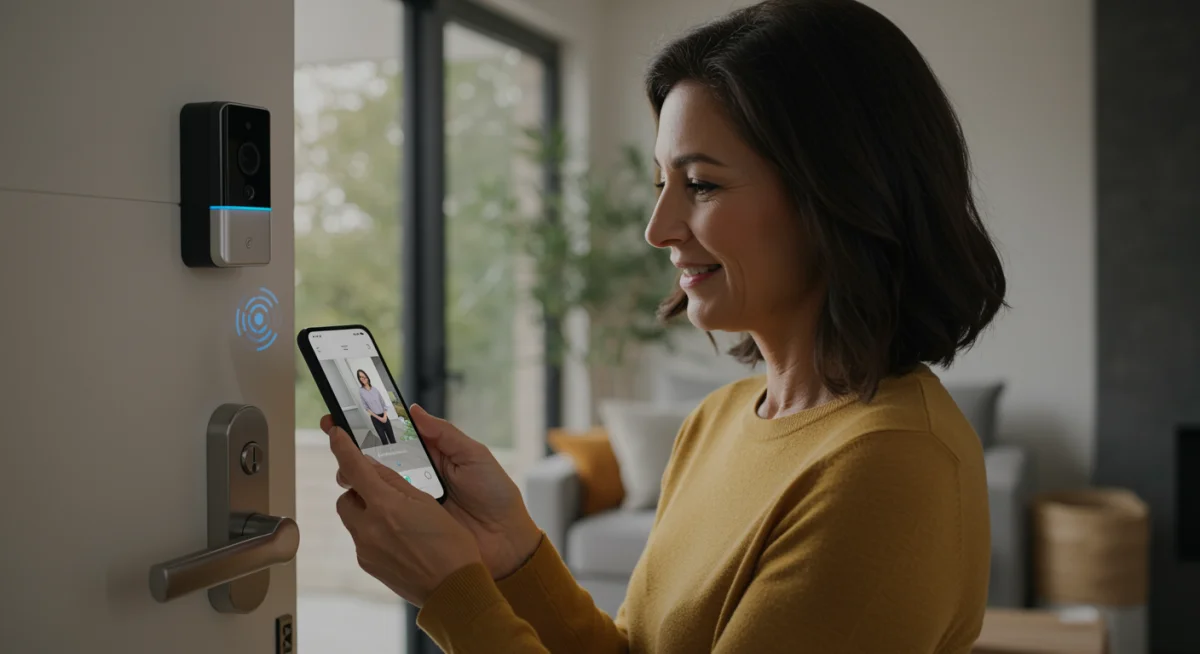
Ensure your chosen security system is compatible with your existing smart home platform, whether it’s Amazon Alexa, Google Assistant, Apple HomeKit, or another ecosystem. This compatibility allows for voice control, custom routines, and unified management through a single app or hub.
For instance, you might set up a routine where your smart lights turn on automatically if a motion sensor detects activity while you’re away, creating the illusion that someone is home. Or, you could have your smart locks engage automatically when you arm your security system, ensuring all entry points are secured with a single command.
Regularly check for firmware and software updates for all your smart home security components. These updates often include security patches, new features, and performance improvements that are crucial for maintaining the reliability and effectiveness of your system over time. Staying up-to-date is a simple yet powerful way to ensure continuous protection.
Maintaining Your System for Long-Term Reliability
A smart home security system is an investment that requires ongoing attention to ensure its long-term reliability and effectiveness. Regular maintenance, though often overlooked, is critical for sustained performance and peace of mind. It’s not a set-it-and-forget-it solution.
Proactive care ensures that your system remains a vigilant guardian of your home, ready to respond effectively when needed. Neglecting maintenance can lead to false alarms, missed alerts, or even complete system failure.
Routine Checks and Battery Replacements
Many components of a smart home security system rely on batteries. Regular checks of battery levels and timely replacements are fundamental to avoiding system downtime.
Sensor Batteries: Most contact and motion sensors have batteries that last several years, but it’s wise to check them annually or when the system alerts you.
Camera Batteries: Wireless cameras, especially those with heavy usage or in cold climates, may require more frequent charging or battery replacement.
Control Panel Battery Backup: Ensure your main control panel’s backup battery is functional by periodically testing it during a simulated power outage.
Firmware Updates: Regularly check for and install firmware updates for all smart devices, as these often contain critical security patches and performance enhancements.
Beyond batteries, a visual inspection of all components can identify potential issues. Check outdoor cameras for dirt, cobwebs, or obstructions that might impair their view. Ensure all sensors are firmly attached and free from damage. A quick glance can often prevent a larger problem.
Testing and Troubleshooting
Periodically testing your entire security system ensures that all components are communicating correctly and that monitoring services are functioning as expected. Don’t wait for an actual emergency to discover a problem.
Most systems allow you to put them into a test mode, which will trigger alarms without dispatching emergency services. Use this mode to test each sensor, motion detector, and panic button. Confirm that you receive alerts on your smartphone and that the central monitoring station (if you have one) registers the events.
If you encounter any issues, consult your system’s user manual or the manufacturer’s online support resources. Many common problems, such as connectivity issues or sensor malfunctions, can be resolved with simple troubleshooting steps. Don’t hesitate to contact customer support if you’re unable to resolve an issue yourself.
Maintaining a clean and stable network environment is also crucial. Ensure your Wi-Fi router is working correctly and that there’s no interference affecting your smart devices. A strong, consistent internet connection is the backbone of any reliable smart home security system.
The Future of Smart Home Security
The landscape of smart home security is continuously evolving, driven by rapid advancements in artificial intelligence, connectivity, and user experience. Looking into 2025 and beyond, we can anticipate even more sophisticated and intuitive systems designed to offer unparalleled protection and convenience.
These future innovations promise to make our homes not just safer, but smarter in their ability to detect, deter, and respond to threats. The trend is towards greater autonomy and predictive capabilities, moving beyond reactive alerts to proactive prevention.
Emerging Technologies and Trends
Several key technological trends are shaping the next generation of smart home security, promising more robust and intelligent protection.
Advanced AI and Machine Learning: Systems will become even better at recognizing patterns, identifying unusual behavior, and distinguishing between genuine threats and everyday occurrences, further reducing false alarms.
Hyper-Personalization: Security systems will learn individual habits and preferences, adapting security protocols to match your lifestyle and even recognizing familiar faces at your door.
Drone Integration: Autonomous security drones, particularly for larger properties, could provide aerial surveillance and rapid response to perimeter breaches.
Cyber-Physical Security Fusion: A closer integration between digital and physical security measures will protect not only your home but also your network and personal data from both physical intrusion and cyber attacks.
Voice Biometrics: Beyond simple voice commands, systems may use voice recognition to authenticate users, adding another layer of security for access control and system management.
The development of 5G and future wireless technologies will also play a significant role, enabling faster data transmission, lower latency, and more reliable connections for all smart home devices, including security components. This will facilitate real-time monitoring and rapid responses, even in complex scenarios.
Enhanced Privacy and Data Protection
As smart home security systems become more integrated and data-rich, the importance of privacy and data protection will continue to grow. Manufacturers are increasingly focusing on robust encryption, anonymization techniques, and transparent data policies.
Edge computing, where data processing happens directly on the device rather than in the cloud, will become more prevalent, reducing the amount of sensitive information transmitted over networks. This approach enhances both privacy and speed, as decisions can be made locally without delay.
Users will also gain more granular control over their data, with clearer options for managing what information is collected, how it’s used, and for how long it’s stored. Companies that prioritize user privacy and offer strong data protection measures will gain a significant competitive advantage and build greater trust with consumers.
The future of smart home security is one where technology works seamlessly and intelligently in the background, providing invisible yet ever-present protection. It’s about creating a truly secure and responsive living environment where homeowners can feel completely safe and in control.
Choosing the Right System for Your Needs
Selecting the ideal smart home security system involves more than just picking a popular brand; it requires a thoughtful assessment of your specific needs, budget, and lifestyle. The best system for one household might not be the best for another, highlighting the importance of a personalized approach.
Consider your home’s unique characteristics, your daily routines, and any specific security concerns you might have. A comprehensive evaluation ensures you invest in a system that truly meets your requirements and provides lasting peace of mind.
Assessing Your Home and Lifestyle
Start by evaluating your property. Do you live in an apartment, a small house, or a large estate? Are there multiple entry points, valuable outdoor assets, or specific areas that require extra vigilance? The size and layout of your home will influence the number and type of sensors and cameras you need.
Property Size: Larger homes may benefit from systems with wider coverage, mesh Wi-Fi integration, or more extensive sensor packages.
Vulnerable Areas: Identify windows, sliding doors, basements, or detached garages that might be particularly susceptible to intrusion.
Pet Owners: If you have pets, look for motion sensors with pet immunity to avoid false alarms.
Connectivity: Assess your internet service reliability. If it’s inconsistent, a system with robust cellular backup is crucial.
Your lifestyle also plays a significant role. Are you frequently away from home? Do you have a busy family schedule? A system with excellent remote monitoring capabilities, easy arming/disarming, and smart home integration can greatly enhance convenience and effectiveness for active households.
Consider who will be using the system. Is it just you, or will multiple family members need access? Look for systems with user-friendly apps and customizable access levels to ensure everyone can manage the security effectively without unnecessary complications.
Budget and Monitoring Options
Smart home security systems come with varying price tags, including initial equipment costs, installation fees (if professional), and ongoing monitoring subscriptions. It’s important to have a clear understanding of the total cost of ownership.
DIY systems like SimpliSafe and Arlo often have lower upfront costs and more flexible monitoring plans. Professionally installed and monitored systems like ADT and Vivint typically involve higher initial investments and longer-term contracts but offer comprehensive support and peace of mind.
Decide whether professional monitoring is a priority for you. While self-monitoring can save money, professional services provide 24/7 oversight and rapid dispatch of emergency services, which can be invaluable in critical situations. Many systems offer tiered monitoring plans, allowing you to choose the level of service that best fits your budget and needs.
Finally, read reviews and seek recommendations from trusted sources. While this guide provides a solid foundation, real-world user experiences can offer valuable insights into a system’s day-to-day performance and customer service quality. By carefully considering all these factors, you can confidently choose a smart home security system that provides reliable, long-lasting protection for your home and family in 2025.
Key Feature
Description
AI-Powered Analytics
Reduces false alarms by distinguishing between people, pets, and vehicles.
Integrated Ecosystems
Seamlessly connects security with other smart home devices for enhanced automation.
Professional Monitoring
24/7 oversight and rapid dispatch of emergency services for critical situations.
Data Privacy
Robust encryption and secure storage to protect personal information from cyber threats.
Frequently Asked Questions About Smart Home Security
What is the most reliable smart home security system for 2025?▼
The most reliable smart home security system for 2025 depends on individual needs, but top contenders like SimpliSafe, Ring Alarm Pro, Arlo, ADT Command & Control, and Vivint Smart Home consistently offer robust features, strong connectivity, and excellent monitoring options, ensuring comprehensive protection.
Do smart home security systems require professional installation?▼
Many smart home security systems, such as SimpliSafe and Arlo, are designed for easy DIY installation. However, premium options like ADT and Vivint typically include professional installation to ensure optimal setup and integration with your smart home ecosystem.
How do smart home security systems handle power outages?▼
Reliable smart home security systems incorporate battery backups for their main control panels and often use cellular connections for communication. This ensures continuous operation and alerts to monitoring centers even if your home loses power or internet connectivity.
Are smart security cameras secure against hacking?▼
Reputable smart security camera manufacturers prioritize cybersecurity with strong encryption, multi-factor authentication, and regular firmware updates. Choosing systems from trusted brands and maintaining good cyber hygiene are crucial for protecting against potential hacking attempts.
Can smart home security systems integrate with other smart devices?▼
Absolutely. Most leading smart home security systems offer extensive compatibility with popular smart home platforms like Amazon Alexa, Google Assistant, and Apple HomeKit, allowing seamless integration with smart lights, thermostats, and other connected devices for enhanced automation.
Conclusion
Choosing a smart home security system in 2025 is a crucial decision for safeguarding your property and loved ones. The market offers an impressive array of sophisticated options, each with unique strengths tailored to different needs and preferences. Whether you prioritize DIY flexibility, comprehensive ecosystem integration, advanced camera technology, or professional-grade monitoring, there’s a reliable solution available. By understanding the key factors contributing to system reliability – from hardware durability and network security to ongoing maintenance – homeowners can make an informed choice that provides lasting peace of mind. Investing in one of the top 5 systems discussed not only enhances your home’s security but also integrates seamlessly into a smarter, more connected lifestyle.