Future-Proofing Your Home Network: 4 Router Upgrades for 2025
To future-proof your home network for 2025's demanding bandwidth, essential router upgrades include embracing Wi-Fi 7, deploying mesh Wi-Fi systems, prioritizing advanced security features, and optimizing for multi-gigabit internet speeds.
Por: adminwp2 em 26 de setembro de 2025
Última atualização em: 5 de dezembro de 2025
Advertisements
To future-proof your home network for 2025’s demanding bandwidth, essential router upgrades include embracing Wi-Fi 7, deploying mesh Wi-Fi systems, prioritizing advanced security features, and optimizing for multi-gigabit internet speeds.
Advertisements
The digital landscape is evolving at an unprecedented pace, and your home network is the backbone of your modern lifestyle. To truly future-proof your home network: 4 essential router upgrades for 2025’s demanding bandwidth needs are not just recommendations, but necessities. From streaming 8K content and immersive VR experiences to managing a growing fleet of smart home devices, the demands on your Wi-Fi are escalating rapidly. Ignoring these advancements means facing frustrating slowdowns, unreliable connections, and even potential security vulnerabilities. This guide will explore the crucial upgrades that will ensure your network remains robust, fast, and secure for years to come.
Embracing the Power of Wi-Fi 7 (802.11be)
As we approach 2025, Wi-Fi 7, also known as 802.11be or Extremely High Throughput (EHT), stands as the cornerstone of any future-proof home network. This next-generation standard isn’t just an incremental improvement; it’s a revolutionary leap designed to handle the most bandwidth-intensive applications imaginable. Understanding its core technologies is crucial for appreciating its impact on your digital life.
Advertisements
Wi-Fi 7 builds upon the successes of Wi-Fi 6E, leveraging the 6 GHz band, but introduces significant enhancements that redefine wireless performance. The combination of wider channels, more efficient modulation, and advanced multi-link operation provides an unparalleled boost in speed and reliability. This means smoother 8K video streaming, lag-free virtual reality, and lightning-fast downloads, even in congested environments.
Key Wi-Fi 7 Enhancements
Several technological advancements underpin Wi-Fi 7’s superior performance. These features work in concert to deliver a more robust and efficient wireless experience, addressing the limitations of previous Wi-Fi generations.
320 MHz Channels: Wi-Fi 7 doubles the channel width compared to Wi-Fi 6E, allowing for significantly more data transmission simultaneously. This wider highway for data is critical for achieving multi-gigabit speeds.
4096-QAM Modulation: This advanced modulation scheme packs more data into each signal, increasing overall throughput by up to 20% over Wi-Fi 6E’s 1024-QAM. It’s like having a more efficient language for data communication.
Multi-Link Operation (MLO): MLO is a game-changer, enabling devices to send and receive data across different frequency bands (2.4 GHz, 5 GHz, and 6 GHz) simultaneously. This reduces latency, increases throughput, and improves reliability by dynamically choosing the best available band or aggregating them.
Preamble Puncturing: This feature allows Wi-Fi 7 to utilize available spectrum more efficiently by ‘puncturing’ or avoiding interference in specific parts of a channel, rather than abandoning the entire channel. This maximizes the use of available bandwidth.
Upgrading to a Wi-Fi 7 router is perhaps the single most impactful step you can take to prepare your home network for the demands of 2025 and beyond. It’s an investment that pays dividends in speed, stability, and responsiveness, transforming your digital experience.
The Indispensable Role of Mesh Wi-Fi Systems
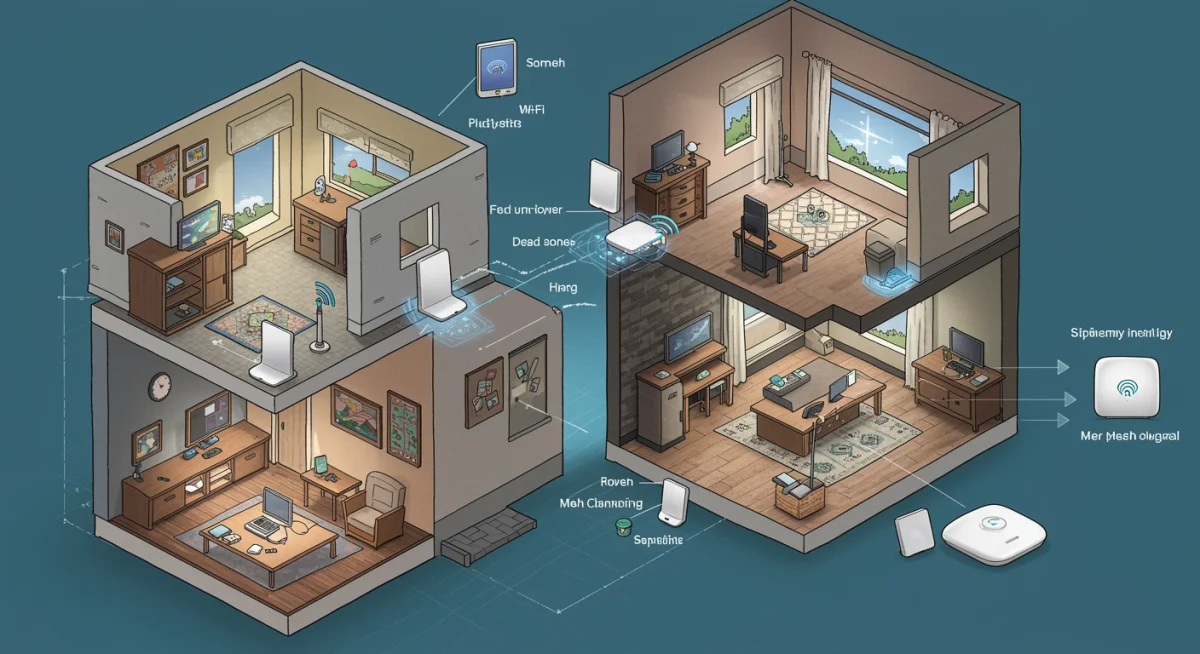
While a single powerful router is great, even the best standalone unit can struggle to provide consistent coverage in larger homes or those with architectural obstacles. This is where mesh Wi-Fi systems become an indispensable part of a future-proof home network. They are designed to eliminate dead zones and deliver seamless, high-speed connectivity across every corner of your property.
A mesh system consists of multiple Wi-Fi nodes that communicate with each other to create a single, unified network. Unlike traditional range extenders that often halve your bandwidth, mesh nodes work together intelligently to route traffic efficiently, ensuring optimal performance for all connected devices. This distributed approach to Wi-Fi coverage is essential for modern smart homes.
Benefits of a Mesh Wi-Fi Setup
The advantages of a mesh Wi-Fi system extend far beyond simply eliminating dead spots. They offer a host of features that significantly enhance the user experience and network management.
Whole-Home Coverage: Mesh systems provide consistent and strong Wi-Fi signals throughout your entire home, regardless of its size or layout. No more dropped calls or buffering videos when moving from room to room.
Seamless Roaming: Devices automatically switch to the strongest signal as you move around, without any interruption to your connection. This is crucial for video calls, streaming, and online gaming.
Easy Scalability: Need more coverage? Simply add another mesh node to your existing system. This modular approach makes it easy to expand your network as your needs grow or as you add more devices.
Simplified Management: Most mesh systems come with intuitive mobile apps that make setup and management a breeze. You can monitor connected devices, set parental controls, and run speed tests with just a few taps.
Integrating a mesh Wi-Fi system, especially one that supports Wi-Fi 7, ensures that every device in your home receives the bandwidth it needs, wherever it is located. This creates a truly ubiquitous and high-performance wireless environment, vital for the smart homes of 2025.
Prioritizing Advanced Network Security Features
In an increasingly interconnected world, a future-proof home network isn’t just about speed and coverage; it’s fundamentally about security. As the number of connected devices proliferates, so do the potential entry points for cyber threats. Upgrading your router for 2025 means choosing one with robust, built-in security features that actively protect your data and privacy.
Modern routers go beyond basic password protection. They incorporate advanced technologies designed to detect and neutralize threats before they can compromise your network. This proactive approach is essential when considering the sophistication of contemporary cyberattacks and the sheer volume of personal data flowing through your home network.
Essential Security Capabilities to Look For
When evaluating potential router upgrades, prioritize models that offer a comprehensive suite of security tools. These features provide multiple layers of defense against various online dangers.
WPA3 Encryption: This is the latest and most secure Wi-Fi encryption standard, offering stronger protection against brute-force attacks and improved privacy, especially on open Wi-Fi networks. It’s a non-negotiable for 2025.
Built-in Antivirus/Anti-malware: Some high-end routers include integrated security software that scans network traffic for malicious content, blocking threats at the network level rather than relying solely on individual device protection.
Intrusion Prevention Systems (IPS): An IPS monitors network activity for suspicious patterns and automatically blocks potential intrusions, acting as a digital bouncer for your network.
VPN Server/Client Support: A router with VPN capabilities allows you to encrypt all traffic leaving your network or securely access your home network from anywhere, adding a significant layer of privacy and security.
Automatic Firmware Updates: Regular firmware updates are crucial for patching vulnerabilities. Look for routers that offer automatic updates to ensure your device always has the latest security fixes without manual intervention.
A secure network safeguards your personal information, protects your smart devices from compromise, and provides peace of mind. Investing in a router with advanced security features is an investment in your digital safety, making it a critical component of any future-ready home network strategy.
Optimizing for Multi-Gigabit Internet Speeds
The internet service providers (ISPs) are rapidly rolling out multi-gigabit internet plans, offering speeds of 2.5 Gbps, 5 Gbps, and even 10 Gbps to residential customers. To truly capitalize on these blazing-fast connections, your home network infrastructure, particularly your router, must be capable of handling and distributing these speeds efficiently. An outdated router can become a significant bottleneck, rendering your expensive multi-gigabit subscription largely ineffective.
Optimizing for multi-gigabit speeds involves more than just having a fast internet plan. It requires a router equipped with the appropriate hardware to process and transmit data at these extreme rates. This includes specific Ethernet port types and processing power designed for high-throughput environments. Without these components, your network will be unable to deliver the full potential of your internet connection to your devices.
Key Considerations for Multi-Gigabit Readiness
When selecting a router for multi-gigabit internet, pay close attention to its specifications, particularly its physical ports and internal processing capabilities. These elements dictate how effectively your router can manage high-speed data flow.
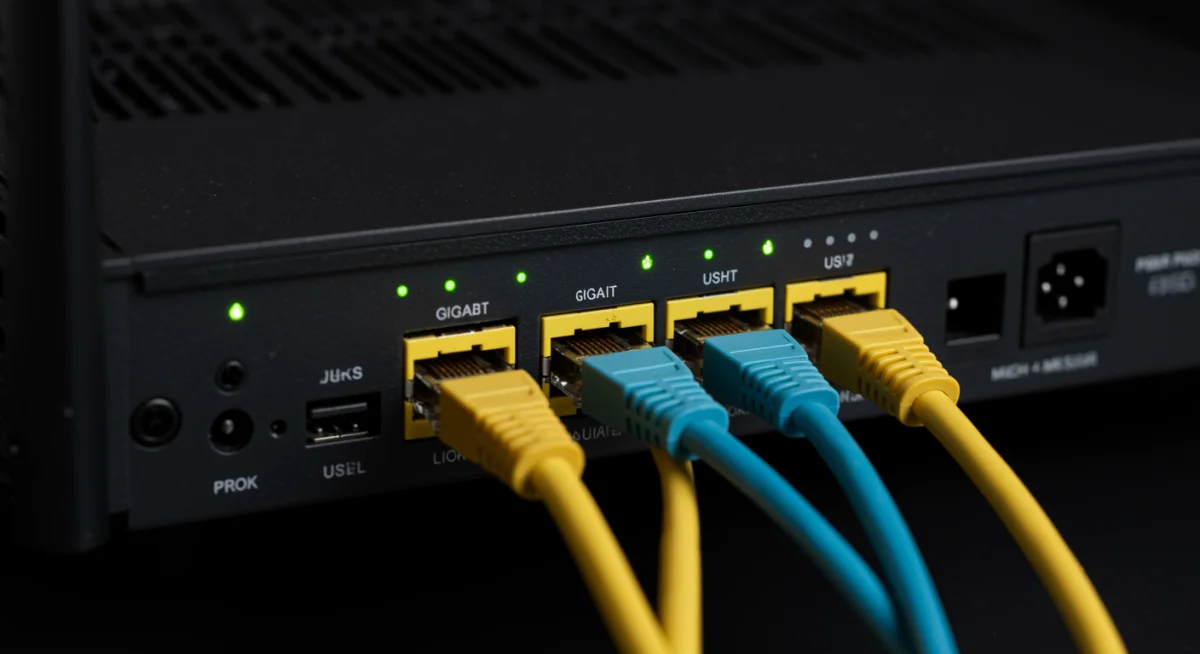
Multi-Gigabit Ethernet Ports (2.5GbE/5GbE/10GbE): Your router must have at least one multi-gigabit WAN port to connect to your modem and ideally several multi-gigabit LAN ports to connect to wired devices like PCs, NAS drives, or gaming consoles. Standard Gigabit Ethernet (1 Gbps) ports will limit your speed.
Powerful Processor: Handling multi-gigabit traffic requires significant processing power. Look for routers with robust multi-core CPUs that can manage high data rates, QoS, and security features simultaneously without performance degradation.
Sufficient RAM: Adequate RAM is crucial for managing connection tables and packet buffering, especially under heavy load. More RAM typically translates to better performance and stability with high-speed connections.
Link Aggregation/WAN Aggregation: Some routers offer link aggregation, allowing you to combine multiple Ethernet ports to create a single, higher-bandwidth connection. WAN aggregation can do the same for your internet connection, effectively doubling your incoming bandwidth if your ISP supports it.
By ensuring your router is optimized for multi-gigabit speeds, you unlock the full potential of your high-speed internet plan, providing a future-proof foundation for all your bandwidth-hungry activities. This upgrade guarantees that your network can keep pace with the fastest internet available.
Smart Home Integration and IoT Management
The modern home is increasingly populated by smart devices, from light bulbs and thermostats to security cameras and appliances. This burgeoning ecosystem of the Internet of Things (IoT) places unique demands on your home network. A future-proof router for 2025 must not only handle the sheer volume of these devices but also offer intelligent features for their management, security, and seamless integration.
Managing dozens of diverse IoT devices, each with its own connectivity requirements and security vulnerabilities, can quickly become overwhelming with a basic router. Advanced routers are now designed with IoT in mind, providing dedicated features that simplify setup, enhance performance, and isolate potential threats, ensuring your smart home operates smoothly and securely.
Router Features for Optimal Smart Home Performance
When selecting a router, consider how well it supports and integrates with your smart home ecosystem. These features are vital for maintaining a responsive and secure IoT environment.
Dedicated IoT Network (VLAN or Guest Network): Many advanced routers allow you to create a separate network segment for your IoT devices. This isolates them from your main network, preventing potential security breaches on an IoT device from affecting your sensitive data or primary devices.
Enhanced Device Prioritization (QoS): With numerous devices competing for bandwidth, intelligent Quality of Service (QoS) is essential. A good router allows you to prioritize traffic for critical smart home functions (like security cameras) or high-bandwidth activities (like 4K streaming), ensuring smooth operation.
Zigbee/Z-Wave Hub Integration: Some routers come with built-in Zigbee or Z-Wave hubs, eliminating the need for separate bridges for certain smart home devices. This simplifies your setup and reduces network clutter.
Parental Controls and Device Scheduling: For managing access to smart devices, especially those used by children, advanced parental controls and scheduling features can be invaluable. This allows for greater control over screen time and device usage.
By choosing a router that intelligently manages your smart home devices, you ensure that your IoT ecosystem remains responsive, secure, and easy to control. This foresight is key to a truly future-proof and convenient home network experience in 2025.
Power Over Ethernet (PoE) for Simplified Deployments
As home networks become more complex, incorporating devices like Wi-Fi access points, security cameras, and VoIP phones, the challenge of powering these devices often arises. Power over Ethernet (PoE) technology offers an elegant solution by allowing electrical power to be transmitted along with data over standard Ethernet cables. This significantly simplifies network deployments, reduces cable clutter, and enhances flexibility in device placement.
For a truly future-proof network, especially one that might expand with additional access points or surveillance cameras, integrating PoE capabilities into your router or a connected switch is a smart move. It eliminates the need for separate power outlets for each PoE-enabled device, streamlining installation and providing more options for optimal device positioning.
Advantages of Incorporating PoE
The benefits of PoE extend beyond mere convenience, offering practical advantages for both functionality and aesthetics within your home network setup.
Simplified Cabling: A single Ethernet cable provides both data and power, reducing the number of cables required and simplifying installation. This is particularly beneficial for devices installed in ceilings or walls.
Flexible Placement: Devices can be placed wherever an Ethernet cable can reach, without being constrained by the availability of power outlets. This opens up more possibilities for optimal placement of Wi-Fi access points or security cameras.
Cost Savings: While PoE-enabled routers or switches might have a slightly higher upfront cost, they can lead to savings by reducing the need for electrical outlets and associated wiring, as well as the cost of separate power adapters.
Enhanced Reliability: PoE power can be centrally managed and backed up by an Uninterruptible Power Supply (UPS), ensuring critical devices like security cameras remain operational during power outages.
Embracing PoE technology in your network infrastructure ensures greater flexibility, cleaner installations, and enhanced reliability for a wide range of connected devices. This makes it an invaluable consideration for building a robust and adaptable home network for 2025.
The Importance of Quality of Service (QoS) and Traffic Management
In a home network teeming with bandwidth-hungry applications and devices, effective traffic management is paramount. Quality of Service (QoS) allows you to prioritize network traffic, ensuring that critical applications receive the bandwidth they need, even when the network is under heavy load. Without proper QoS, your 4K streaming might buffer, your video calls might stutter, and your online gaming experience could suffer from debilitating lag.
A future-proof router for 2025 must offer sophisticated QoS capabilities that are easy to configure and adapt to your specific usage patterns. It’s not enough to simply have a fast internet connection; you also need the intelligence to manage how that bandwidth is distributed among your various devices and applications, ensuring a smooth and consistent experience for everyone in the household.
Advanced QoS Features for Modern Networks
When evaluating routers, look for advanced QoS features that provide granular control over your network traffic. These capabilities allow you to tailor your network’s performance to your household’s unique demands.
Application-Specific Prioritization: Modern QoS allows you to prioritize specific applications, such as streaming services, online games, or video conferencing tools, ensuring they get preferential treatment.
Device-Based Prioritization: You should be able to prioritize traffic for specific devices, like your work laptop, a gaming PC, or a smart TV, guaranteeing their performance even when other devices are active.
Bandwidth Allocation: Some routers offer the ability to allocate minimum or maximum bandwidth to certain devices or applications, preventing any single entity from hogging all available resources.
Adaptive QoS/Smart QoS: More advanced routers feature adaptive or smart QoS, which automatically analyzes network traffic and intelligently prioritizes based on real-time usage, simplifying management for the user.
Traffic Monitoring and Reporting: The ability to monitor network traffic and see which devices or applications are consuming the most bandwidth can be invaluable for diagnosing issues and optimizing QoS settings.
Implementing robust QoS and traffic management ensures that your home network remains responsive and efficient, delivering a superior experience for all users and applications. This intelligent control over your bandwidth is a defining characteristic of a truly future-proof network for the challenges of 2025.
Key Upgrade
Benefit for 2025 Network
Wi-Fi 7 (802.11be)
Unprecedented speeds, lower latency, and increased capacity for 8K streaming, VR, and multi-device households.
Mesh Wi-Fi Systems
Eliminates dead zones, provides seamless whole-home coverage, and simplifies network expansion for large spaces.
Advanced Security Features
Protects against cyber threats with WPA3, built-in antivirus, and intrusion prevention, safeguarding data and devices.
Multi-Gigabit Ports & QoS
Maximizes multi-gigabit internet speeds and prioritizes critical traffic for optimal performance across all devices.
Frequently Asked Questions About Router Upgrades
Why is Wi-Fi 7 considered essential for 2025?▼
Wi-Fi 7 is essential for 2025 because it offers significantly higher speeds, lower latency, and greater capacity through technologies like 320 MHz channels and Multi-Link Operation (MLO). These advancements are crucial for handling the increasing demands of 8K streaming, VR/AR, and a growing number of connected smart home devices, ensuring a smooth and responsive network experience.
How do mesh Wi-Fi systems improve home network performance?▼
Mesh Wi-Fi systems improve performance by creating a unified network with multiple nodes, eliminating dead zones and providing seamless coverage throughout your entire home. They allow devices to automatically connect to the strongest signal, ensuring consistent high speeds and reliable connections, which is especially beneficial for larger homes or those with complex layouts where a single router struggles.
What security features should I prioritize in a new router?▼
When upgrading your router, prioritize WPA3 encryption for stronger password protection, built-in antivirus/anti-malware for network-level threat detection, and an Intrusion Prevention System (IPS) for proactive threat blocking. Additionally, look for VPN server/client support for enhanced privacy and automatic firmware updates to ensure your router always has the latest security patches.
Do I really need multi-gigabit Ethernet ports on my router?▼
Yes, if you subscribe to or plan to subscribe to multi-gigabit internet services (2.5 Gbps, 5 Gbps, or 10 Gbps). Without multi-gigabit Ethernet ports, your router will become a bottleneck, preventing you from fully utilizing your high-speed internet connection. These ports ensure your network can process and distribute the full bandwidth to your wired devices.
How does QoS benefit a busy home network?▼
Quality of Service (QoS) benefits a busy home network by allowing you to prioritize specific types of traffic or devices. This ensures that critical applications like video calls, online gaming, or 4K streaming receive adequate bandwidth, preventing buffering or lag even when multiple devices are simultaneously demanding network resources. It optimizes performance for a smoother user experience.
Conclusion
The rapid evolution of digital technology means that a passive approach to your home network is no longer viable. To prepare for the demands of 2025 and beyond, proactive upgrades are essential. By embracing Wi-Fi 7, deploying robust mesh Wi-Fi systems, prioritizing advanced security features, optimizing for multi-gigabit internet speeds, intelligently managing IoT devices, and leveraging PoE and QoS, you are not just upgrading your router; you are investing in a seamless, secure, and high-performance digital foundation for your entire home. These strategic home network router upgrades will ensure your connectivity remains a reliable asset, capable of handling whatever the future of technology brings.