Act Now: Time-Sensitive Appliance Rebates Up to $1,000 in Early 2025
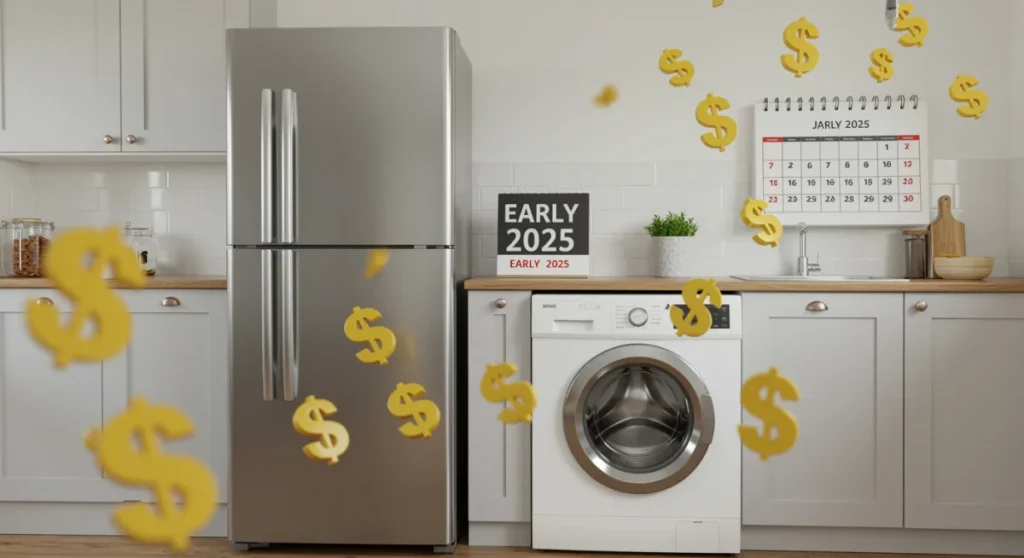
Early 2025 presents a prime opportunity for significant savings on appliance upgrades through time-sensitive rebates, potentially reducing costs by up to $1,000 on energy-efficient models for savvy homeowners.
Por: adminwp2 em 22 de setembro de 2025
Última atualização em: 5 de dezembro de 2025
Advertisements
Early 2025 presents a prime opportunity for significant savings on appliance upgrades through time-sensitive rebates, potentially reducing costs by up to $1,000 on energy-efficient models for savvy homeowners.
Are you considering upgrading your home appliances? Now is the time to Act Now: Time-Sensitive Rebates for Appliance Upgrades in Early 2025, Saving You Up to $1,000, offering an incredible opportunity to replace those old, inefficient units with modern, energy-saving models. These limited-time offers can significantly cut down your initial investment, making energy efficiency more accessible and rewarding than ever before.
Advertisements
Understanding the Landscape of Appliance Rebates in 2025
The beginning of 2025 marks a crucial period for homeowners looking to make smart investments in their living spaces. Government agencies, utility companies, and even manufacturers are rolling out various incentive programs designed to encourage the adoption of energy-efficient appliances. These programs are not just about saving you money upfront; they are a strategic push towards reducing overall energy consumption and promoting a more sustainable future.
Staying informed about these diverse offerings is the first step toward maximizing your savings. Many rebates are structured to target specific types of appliances, such as refrigerators, washing machines, dryers, and HVAC systems, often with varying requirements based on energy efficiency ratings like ENERGY STAR. The key is to understand which rebates apply to your specific needs and location, as eligibility can differ significantly from state to state, or even city to city.
Advertisements
Federal and State Initiatives Driving Savings
Both federal and state governments recognize the long-term benefits of energy efficiency, leading to robust rebate programs. These initiatives often serve as the foundation upon which local utilities and manufacturers build their own incentives.
Federal Tax Credits: While not direct rebates, federal tax credits can offer substantial savings on qualifying energy-efficient home improvements and appliances.
State-Specific Programs: Many states offer their own unique rebate programs, often focusing on particular appliance categories or income levels to help a broader range of residents.
Local Utility Incentives: Your local electric or gas company often provides rebates for upgrading to energy-efficient appliances, directly impacting your utility bills.
Navigating this multi-layered system requires a bit of research, but the potential savings of up to $1,000 or more make it well worth the effort. These programs are often time-sensitive, with specific application deadlines and funding limits, emphasizing the urgency of acting early in 2025.
In essence, the rebate landscape in early 2025 is rich with opportunities for homeowners. By understanding the different types of programs available—federal, state, and local—you can strategically plan your appliance upgrades to achieve significant financial benefits while contributing to energy conservation.
Identifying Eligible Appliances for Maximum Rebates
Not all appliances qualify for rebates, and understanding the specific criteria is vital to securing your savings. Generally, the focus is on energy-efficient models that meet or exceed certain standards set by organizations like ENERGY STAR. These certifications are your best indicators of eligibility, often directly correlating with the amount of rebate you can receive.
When shopping, look for the distinctive ENERGY STAR label. This label signifies that the appliance has met strict energy efficiency guidelines set by the U.S. Environmental Protection Agency and the U.S. Department of Energy. However, simply having an ENERGY STAR rating might not be enough; some rebates require specific tiers of efficiency or certain features, such as smart technology integration or specific capacity levels.
Beyond the ENERGY STAR rating, consider the type of appliance itself. Refrigerators, washing machines, dishwashers, water heaters, and HVAC systems are common targets for rebate programs due to their significant energy consumption. Smaller appliances or purely cosmetic upgrades are less likely to qualify for substantial financial incentives. Always check the fine print of each rebate program to ensure your chosen appliance is indeed eligible before making a purchase.
Key Appliance Categories and Their Rebate Potential
Different appliance types offer varying levels of rebate opportunities, often reflecting their energy usage and the potential for savings. Understanding these categories can help you prioritize your upgrades.
Refrigerators: High-efficiency models often qualify for significant rebates, especially those with advanced insulation, inverter compressors, and smart features.
Washing Machines: Look for front-loading models with high Integrated Modified Energy Factor (IMEF) and Water Factor (WF) ratings, as these consume less energy and water.
HVAC Systems: Upgrading to high-efficiency furnaces, air conditioners, or heat pumps (especially geothermal or air-source heat pumps) can unlock some of the largest rebates due to their substantial impact on home energy use.
Water Heaters: Tankless, heat pump, or solar water heaters are often eligible for substantial incentives, offering long-term energy savings.
It’s also important to note that some rebates might be stackable, meaning you could combine a manufacturer rebate with a utility company rebate, further amplifying your savings. This requires careful planning and verification of each program’s terms and conditions.
Ultimately, identifying eligible appliances involves a combination of looking for ENERGY STAR certifications, understanding the specific requirements of each rebate program, and prioritizing high-impact appliances that offer the greatest potential for energy savings and financial returns. Early 2025 is the window to seize these opportunities.
Navigating the Application Process for Appliance Rebates
Once you’ve identified the right appliances and the applicable rebates, the next critical step is successfully navigating the application process. While procedures can vary, a systematic approach will ensure you don’t miss out on potential savings. Generally, most rebate applications require meticulous documentation and adherence to strict deadlines.
Start by thoroughly reading the terms and conditions of each rebate program. Pay close attention to eligibility criteria, required forms, proof of purchase, and installation dates. Many programs have a limited time frame from the purchase date to the submission deadline, so acting promptly after buying your new appliance is crucial. Missing a deadline, even by a day, can result in forfeiture of the rebate.
Gathering all necessary documentation upfront can streamline the process. This typically includes a copy of your sales receipt or invoice, which clearly shows the model number, serial number, and purchase price of the qualifying appliance. You may also need proof of installation, especially for larger items like HVAC systems, which might require a licensed contractor’s invoice or certification.
Step-by-Step Guide to a Successful Rebate Claim
Breaking down the application into manageable steps can make the process less daunting and increase your chances of approval.
Research and Verify: Confirm the appliance’s eligibility and the rebate program’s specific requirements before purchase.
Purchase and Install: Buy and install your qualifying appliance within the program’s specified dates. Keep all receipts and installation invoices.
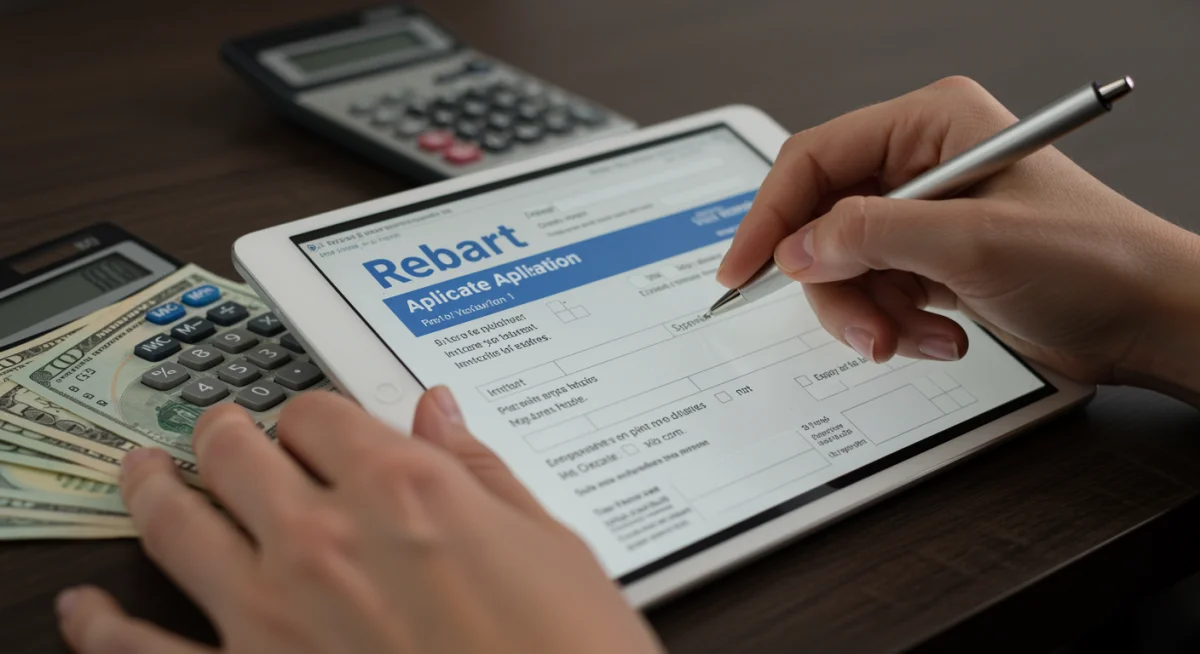
Complete Application Form: Fill out the rebate application form completely and accurately. Double-check all personal information and appliance details.
Attach Documentation: Include all required documents, such as sales receipts, ENERGY STAR labels (sometimes), and contractor invoices.
Submit on Time: Adhere strictly to the submission deadline. Many applications can now be submitted online, offering instant confirmation.
Some programs may require an energy audit before and after installation, particularly for whole-home efficiency upgrades. Be prepared for this possibility if you are pursuing comprehensive incentives. Keep copies of everything you submit for your records, just in case there are any questions or discrepancies.
The application process for appliance rebates, while sometimes detailed, is a small effort for significant rewards. By being organized, thorough, and timely, you can successfully claim your savings and enjoy the benefits of your new, energy-efficient appliances.
Maximizing Your Savings: Combining Rebates and Other Incentives
To truly unlock the full potential of appliance upgrades in early 2025, a savvy approach involves more than just finding a single rebate. The most effective strategy is often to combine multiple incentives, creating a layered approach to savings that can significantly reduce your out-of-pocket expenses. This often means looking beyond direct rebates to include tax credits, special financing offers, and even manufacturer promotions.
Many homeowners overlook the possibility of stacking rebates. For instance, you might find a federal tax credit for a high-efficiency HVAC system, which can then be combined with a state-level rebate and a local utility incentive. Some manufacturers also offer their own promotions, such as instant discounts or bundled deals, which can be applied at the point of sale, further reducing your cost.
It’s crucial to meticulously investigate the terms and conditions of each program. Some rebates explicitly state that they cannot be combined with other offers, while others are more flexible. Reading the fine print will prevent any surprises and ensure you qualify for all the savings you anticipate. Don’t assume; always verify.
Strategies for Layered Savings
Developing a strategic plan for combining incentives can lead to substantial financial benefits.
Research Stackable Programs: Identify federal, state, and local programs that explicitly allow combination.
Manufacturer Promotions: Look for seasonal sales or direct discounts from appliance manufacturers that can be paired with third-party rebates.
Special Financing Offers: Some retailers or utility companies offer low-interest or no-interest financing for energy-efficient upgrades, reducing the immediate financial burden.
Energy Audits: In some cases, a professional home energy audit can identify additional areas for improvement that qualify for incentives, and the audit itself might be partially subsidized.
Consider the long-term savings as well. An energy-efficient appliance not only saves you money through rebates but also significantly reduces your monthly utility bills. Over the lifespan of the appliance, these operational savings can far exceed the initial rebate amount, making the upgrade an even smarter financial decision.
By thoughtfully combining various rebates, tax credits, and promotions, you can maximize your savings on appliance upgrades. This proactive approach in early 2025 ensures you get the best possible value, making your home more efficient and your wallet happier.
The Environmental and Financial Impact of Energy-Efficient Upgrades
Investing in energy-efficient appliance upgrades extends far beyond the immediate financial benefit of rebates; it represents a significant commitment to both environmental stewardship and long-term financial health. The cumulative effect of individual choices to adopt more efficient technologies contributes to a broader reduction in energy demand, leading to a cleaner environment and a more stable energy grid.
From an environmental perspective, energy-efficient appliances consume less electricity, which often translates to a reduction in greenhouse gas emissions from power plants. This helps combat climate change and reduces air pollution. Furthermore, many modern appliances are designed with sustainable materials and manufacturing processes, further minimizing their ecological footprint throughout their lifecycle.
Financially, the benefits are equally compelling. Beyond the initial rebates, energy-efficient appliances lead to lower monthly utility bills, particularly for high-use items like refrigerators, washing machines, and HVAC systems. These ongoing savings accumulate over years, often offsetting a significant portion of the appliance’s purchase price and even extending its usable life through reduced wear and tear.
Beyond the Rebate: Long-Term Benefits
The decision to upgrade to energy-efficient appliances is an investment that pays dividends in multiple ways, solidifying its value beyond the one-time rebate.
Reduced Utility Bills: Consistently lower energy consumption translates directly into smaller electricity and gas bills each month.
Increased Home Value: Energy-efficient homes are often more attractive to potential buyers, potentially increasing your property’s market value.
Enhanced Comfort: Modern appliances, especially HVAC systems, often provide more consistent and comfortable temperature control.
Lower Maintenance Costs: Newer appliances are typically more reliable and require less frequent repairs, saving you money on service calls and parts.
Moreover, the adoption of smart home technology in many energy-efficient appliances allows for greater control and optimization of energy usage. Features like remote monitoring, programmable settings, and usage analytics empower homeowners to fine-tune their consumption habits, leading to even greater savings and a more comfortable living environment.
The impact of energy-efficient upgrades is a powerful combination of environmental responsibility and shrewd financial planning. By taking advantage of early 2025 rebates, you’re not just buying a new appliance; you’re investing in a more sustainable future and securing substantial long-term savings for your household.
Common Pitfalls to Avoid When Claiming Appliance Rebates
While appliance rebates offer fantastic savings, the process isn’t always straightforward, and certain pitfalls can lead to a rejected claim. Being aware of these common mistakes can save you time, frustration, and ensure you successfully receive your anticipated funds. Many issues stem from a lack of attention to detail or misunderstanding program requirements.
One of the most frequent errors is missing the submission deadline. Rebate programs are often time-sensitive, with a specific window for purchase and an equally strict deadline for submitting the application. Even if your purchase qualifies, a late submission will result in forfeiture. Always mark these dates on your calendar and aim to submit well in advance.
Another common pitfall is incomplete or inaccurate documentation. This includes submitting blurry copies of receipts, forgetting to include the model or serial number, or failing to attach proof of installation if required. Each rebate program has specific documentation needs, and deviations can lead to delays or outright rejection. Double-check every field and attachment before submission.
Ensuring a Smooth Rebate Experience
Proactive measures can significantly reduce the likelihood of encountering problems during the rebate claim process.
Verify Eligibility Carefully: Ensure your chosen appliance exactly matches the rebate criteria (e.g., specific ENERGY STAR rating, model number).
Read All Terms: Don’t skim the fine print. Understand all rules, including any restrictions on combining offers.
Keep Excellent Records: Make copies of everything: receipts, application forms, and any correspondence.
Follow Instructions Precisely: If the application asks for a specific format or mailing address, adhere to it.
Track Your Application: Many online portals allow you to track the status of your claim. Utilize this feature to stay informed.
Sometimes, purchasing from a non-participating retailer can also invalidate your claim, even if the appliance itself is eligible. Always confirm that the store where you’re buying your appliance is an authorized participant in the rebate program. If in doubt, contact the rebate administrator or the utility company directly for clarification.
By diligently avoiding these common pitfalls, you can ensure a smooth and successful rebate claim process. Paying close attention to deadlines, documentation, and specific program requirements will help you secure your savings and enjoy the full benefits of your new energy-efficient appliances.
Planning Your Appliance Upgrades for Early 2025
Strategic planning is key to successfully leveraging the time-sensitive appliance rebates available in early 2025. Rushing into purchases without a clear strategy can lead to missed opportunities or even ineligible claims. A thoughtful approach involves assessing your current needs, researching available rebates, and scheduling your upgrades to align with program timelines.
Start by evaluating your existing appliances. Which ones are old, inefficient, or frequently breaking down? Prioritize replacements based on their age, energy consumption, and repair costs. Replacing an old refrigerator or an outdated HVAC system often yields the most significant energy savings and, consequently, the largest rebates.
Next, dedicate time to researching specific rebate programs. Visit the websites of your state energy office, local utility companies, and the ENERGY STAR program. Pay close attention to the start and end dates of programs, as early 2025 offers are time-bound. Create a spreadsheet to track potential rebates, their requirements, and submission deadlines for each appliance you plan to upgrade.
Strategic Steps for Timely Upgrades
A well-structured plan will make the most of the limited window for these valuable incentives.
Assess Current Appliances: Identify the oldest, least efficient, or most problematic appliances in your home.
Budget Allocation: Determine your budget, factoring in potential rebates to calculate your net cost.
Rebate Research: Compile a list of all federal, state, utility, and manufacturer rebates applicable to your desired upgrades.
Timeline Creation: Map out purchase and installation dates, ensuring they fall within rebate program windows.
Professional Consultation: For major upgrades like HVAC, consult with certified contractors who are knowledgeable about available incentives.
Consider the installation process, especially for larger appliances. Scheduling professional installation within the rebate period is crucial. Many programs require proof of installation by a licensed contractor, so factor in lead times for scheduling appointments. Don’t wait until the last minute to find an installer, as they can be booked up, especially during peak seasons.
By meticulously planning your appliance upgrades for early 2025, you position yourself to take full advantage of the significant rebates available. This proactive approach not only secures your savings but also ensures a smooth, stress-free transition to a more energy-efficient and comfortable home.
Key Point
Brief Description
Time-Sensitive Opportunity
Early 2025 offers limited-time rebates up to $1,000 for energy-efficient appliance upgrades.
Eligibility Focus
Rebates primarily target ENERGY STAR certified appliances, with specific criteria varying by program.
Application Accuracy
Meticulous documentation and adherence to deadlines are crucial for successful rebate claims.
Frequently Asked Questions About Appliance Rebates
What types of appliances typically qualify for rebates?▼
Rebates commonly apply to major energy-consuming appliances such as refrigerators, washing machines, dishwashers, water heaters, and HVAC systems. Eligibility usually depends on specific energy efficiency ratings like ENERGY STAR certification and often varies by program and location.
How can I find out about specific rebates available in my area?▼
To find local rebates, check your state’s energy office website, your local utility company’s website, and the official ENERGY STAR website. These resources provide comprehensive lists of available programs, eligibility criteria, and application instructions specific to your region.
Can I combine multiple rebates for a single appliance?▼
Yes, in many cases, rebates can be stacked. You might be able to combine federal tax credits with state, utility, and even manufacturer rebates. Always read the terms and conditions of each program carefully, as some have restrictions on combining offers.
What documentation is typically required for a rebate application?▼
Commonly required documents include a copy of the sales receipt or invoice with model and serial numbers, proof of installation (often from a licensed contractor), and the completed rebate application form. Keep clear, legible copies of everything for your records.
Why are these rebates often time-sensitive?▼
Rebates are frequently time-sensitive due to limited funding, specific program cycles, or promotional periods. This encourages prompt action from consumers to achieve energy efficiency goals within a defined timeframe, making early 2025 a crucial window for participation.
Conclusion
The opportunity to secure significant savings of up to $1,000 on appliance upgrades in early 2025 through time-sensitive rebates is a golden moment for homeowners. By understanding the varied landscape of federal, state, and utility incentives, meticulously identifying eligible energy-efficient appliances, and diligently navigating the application process, you can transform your home with modern technology while making a smart financial decision. These upgrades not only put money back in your pocket through immediate rebates and long-term energy savings but also contribute to a healthier environment. Don’t let this limited-time window close; proactive planning and swift action are your keys to unlocking these valuable benefits and enjoying a more efficient, comfortable, and sustainable home.