Smart Device Cybersecurity: 6 Steps to Protect Data by 2025
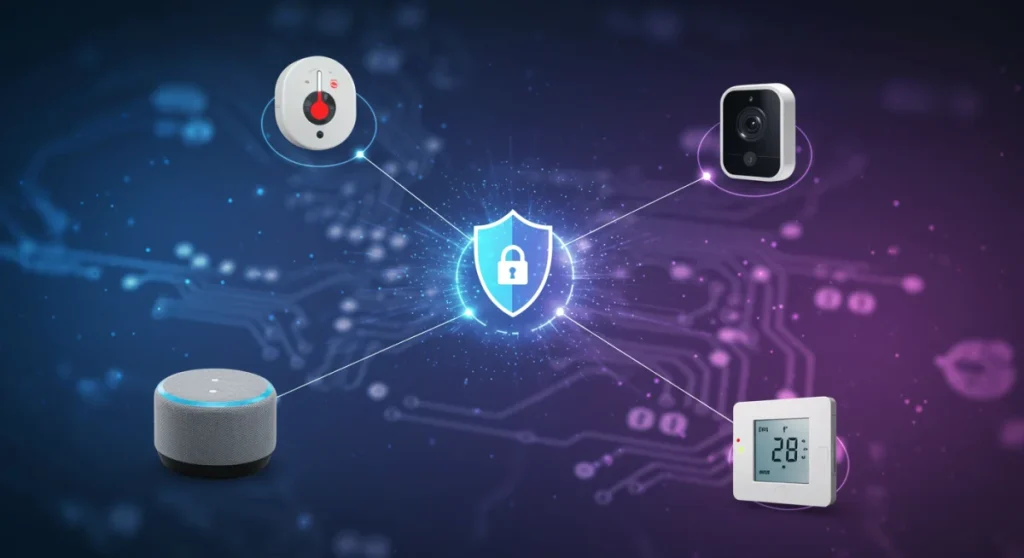
By January 2025, safeguarding your smart devices against cyber threats is paramount, requiring six critical steps to ensure robust data protection and privacy in an increasingly connected world.
Por: adminwp2 em 22 de outubro de 2025
Última atualização em: 29 de novembro de 2025
Advertisements
By January 2025, safeguarding your smart devices against cyber threats is paramount, requiring six critical steps to ensure robust data protection and privacy in an increasingly connected world.
In our increasingly connected world, protecting your digital life is more crucial than ever. With the proliferation of smart devices in our homes and hands, understanding and implementing robust smart device cybersecurity measures by January 2025 isn’t just a recommendation; it’s a necessity. This guide will walk you through six critical steps to fortify your defenses and keep your personal data safe from evolving threats.
Advertisements
Understanding the Evolving Threat Landscape for Smart Devices
The convenience offered by smart devices, from intelligent thermostats to voice-activated assistants, has rapidly transformed our daily lives. However, this interconnectedness also presents a fertile ground for cybercriminals. The sheer volume and variety of data collected by these devices make them attractive targets, ranging from personal preferences and routines to sensitive financial details.
As we approach January 2025, the sophistication of cyber threats continues to escalate. Attackers are constantly finding new vulnerabilities in device firmware, network protocols, and even user habits. A compromised smart device isn’t just an inconvenience; it can be a gateway into your entire home network, potentially exposing all your digital assets. Therefore, a proactive and informed approach to security is indispensable.
Advertisements
The landscape includes various types of attacks. Phishing attempts targeting smart device accounts, malware designed to hijack IoT devices for botnets, and even physical tampering are all real concerns. Manufacturers are working to improve security, but the primary responsibility often falls on the end-user to configure and maintain their devices securely. Staying ahead of these threats requires constant vigilance and an understanding of best practices, which we will explore in detail.
Recognizing the diverse nature of these threats is the first step towards building a resilient defense. From ensuring your smart doorbell isn’t an open window to your home to protecting your smart TV from unauthorized access, each device presents unique challenges. This section underscores the urgency and importance of adopting comprehensive cybersecurity strategies before the new year.
Step 1: Implement Strong, Unique Passwords and Multi-Factor Authentication
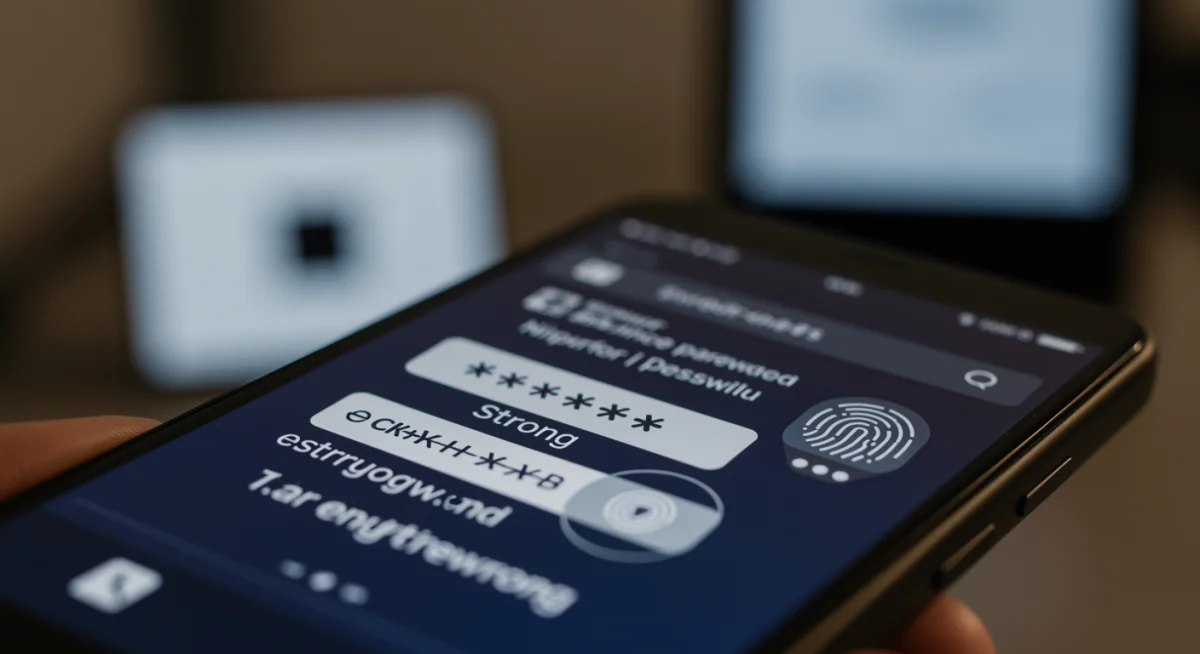
The foundation of any robust cybersecurity strategy begins with strong, unique passwords. Many smart devices come with default credentials that are easily discoverable or guessable. Failing to change these immediately is akin to leaving your front door unlocked. By January 2025, every smart device you own should be protected by a password that is complex, lengthy, and distinct from any other password you use.
A strong password typically includes a mix of uppercase and lowercase letters, numbers, and special characters. It should also be at least 12 characters long. The use of a reputable password manager can significantly simplify the creation and management of these complex credentials across all your devices and accounts, eliminating the need to remember dozens of intricate sequences.
The Power of Multi-Factor Authentication (MFA)
Beyond strong passwords, multi-factor authentication (MFA) adds an indispensable layer of security. MFA requires users to provide two or more verification factors to gain access to an account. This could involve:
Something you know (e.g., your password)
Something you have (e.g., a code from your phone, a hardware token)
Something you are (e.g., a fingerprint, facial recognition)
Even if a cybercriminal manages to steal your password, they would still be unable to access your account without the second factor. Most major smart device platforms and associated apps now offer MFA as an option. It is critical to enable this feature wherever it is available. This simple step can prevent a vast majority of unauthorized access attempts, significantly bolstering your smart device cybersecurity posture.
Regularly reviewing your accounts to ensure MFA is active is a good practice. Many breaches occur not because of weak passwords, but because compromised credentials were not protected by a secondary verification method. Make it a priority to enable MFA on all smart device accounts, especially those linked to sensitive data or controlling physical access to your home.
Step 2: Keep Device Firmware and Software Up-to-Date
Software vulnerabilities are a constant challenge in the digital world. Manufacturers frequently release updates to patch security flaws, improve performance, and add new features. Neglecting these updates leaves your devices exposed to known exploits that cybercriminals actively scan for. By January 2025, ensuring all your smart devices are running the latest firmware and software versions should be a routine task.
Many smart devices offer automatic updates, which should be enabled whenever possible. For devices that require manual updates, make it a habit to check for new versions regularly, perhaps once a month. This applies not just to the devices themselves but also to any companion apps on your smartphone or tablet that control them. An outdated app can be just as vulnerable as outdated device firmware.
Why Updates are Crucial for Security
Patching Vulnerabilities: Updates often contain critical security patches that fix newly discovered weaknesses.
Improved Performance: Beyond security, updates can enhance device stability and functionality.
New Security Features: Manufacturers sometimes introduce new security features or protocols through updates.
Ignoring update notifications or delaying their installation can create significant security gaps. Cybercriminals often reverse-engineer patches to understand the underlying vulnerabilities, then exploit unpatched devices. This race against time highlights why timely updates are a cornerstone of effective smart device cybersecurity.
Make a list of all your smart devices and their associated apps. Set reminders to check for updates if automatic updates are not available. This diligent approach ensures that your devices are always operating with the most secure software, closing doors to potential attackers and maintaining the integrity of your connected environment.
Step 3: Secure Your Home Wi-Fi Network
Your home Wi-Fi network acts as the central nervous system for all your smart devices. If this network is compromised, every device connected to it becomes vulnerable, regardless of its individual security settings. Protecting your Wi-Fi is therefore a critical step in securing your entire smart home ecosystem by January 2025.
Start by changing the default administrator username and password for your router. These defaults are often publicly known and easily exploited. Choose a strong, unique combination, just as you would for your individual smart devices. Furthermore, ensure your Wi-Fi network uses WPA3 or, at minimum, WPA2 encryption. Older encryption standards like WEP are highly insecure and should be avoided.
Best Practices for Router Security
Change Default Credentials: Immediately update the router’s admin username and password.
Strong Encryption: Use WPA3 or WPA2 for Wi-Fi security.
Disable WPS: Wi-Fi Protected Setup (WPS) can be vulnerable and should be disabled if not needed.
Guest Network: Set up a separate guest network for visitors, isolating them from your main smart devices.
Consider creating a separate guest network for smart devices that don’t require access to your main computers or sensitive data. This isolates them from your primary network, creating a segmented environment. If one smart device is compromised, the attacker’s access is limited to the guest network, preventing them from reaching more critical systems.
Regularly check your router’s settings for any unfamiliar devices connected to your network. Most modern routers provide a list of connected clients. If you spot something suspicious, investigate immediately. Securing your network is a continuous process that requires periodic review and adjustment, ensuring that the gateway to your smart home remains impenetrable.
Step 4: Audit Device Permissions and Data Collection
Many smart devices and their companion apps request extensive permissions during setup, often exceeding what is necessary for their core functionality. By January 2025, it’s crucial to adopt a skeptical approach to these requests and conduct regular audits of the permissions granted to your devices and apps. Understanding what data your devices collect and how it’s used is fundamental to protecting your privacy.
Review the privacy policies and terms of service for each smart device. While often lengthy, these documents outline the data collection practices of manufacturers. Pay close attention to what data is collected, how it’s stored, and whether it’s shared with third parties. If a device or app requests permissions that seem unrelated to its function (e.g., a smart light bulb app asking for microphone access), reconsider its necessity.
Managing Device Permissions Effectively
Access the settings of your smart device apps and the device itself to manage permissions. Disable any permissions that are not strictly necessary for the device to operate. For example, if a smart speaker doesn’t need location access for its primary functions, turn it off. This ‘least privilege’ principle minimizes the attack surface and reduces the amount of personal data exposed.
Review App Permissions: Check what each app can access (microphone, camera, location, contacts).
Limit Data Sharing: Opt out of optional data sharing with third parties if possible.
Understand Privacy Policies: Read and comprehend how your data is being used.
Consider Data Minimization: Only provide data that is absolutely essential for the device’s operation.
Be particularly wary of devices that collect biometric data, such as facial recognition or fingerprint scans. While convenient, the security of this highly sensitive data is paramount. Ensure these devices come from reputable manufacturers with strong encryption and data handling practices. A thorough audit of permissions and data collection practices empowers you to make informed decisions about your digital privacy and enhances your smart device cybersecurity.
Step 5: Isolate IoT Devices on a Separate Network (VLAN)
For those with a more advanced home network setup, isolating your Internet of Things (IoT) devices on a separate network segment, known as a Virtual Local Area Network (VLAN), significantly enhances security. This strategy creates a barrier between your smart devices and your main network where sensitive data resides, such as personal computers, smartphones, and financial information. By January 2025, considering a VLAN for your IoT devices is a proactive measure for superior protection.
A VLAN functions by segmenting your physical network into multiple logical networks. This means that even if a smart device on the IoT VLAN is compromised, the attacker would not have direct access to your primary network. This containment strategy is particularly valuable given that many IoT devices are known to have less robust security features compared to traditional computing devices.
Benefits of IoT Isolation with VLANs
Containment: Prevents compromised IoT devices from spreading threats to your main network.
Reduced Attack Surface: Limits the exposure of sensitive devices to potentially vulnerable IoT gadgets.
Enhanced Monitoring: Allows for easier monitoring of IoT-specific traffic for anomalies.
Setting up a VLAN typically requires a router or switch with VLAN capabilities. While it might seem like a complex task, many consumer-grade routers now offer simplified VLAN configuration options. There are also numerous online resources and tutorials available to guide you through the process step-by-step. The investment in time and effort for this setup can provide a substantial return in terms of peace of mind and enhanced smart device cybersecurity.
Even if you’re not ready for a full VLAN setup, creating a dedicated guest Wi-Fi network for your smart devices, as mentioned in Step 3, offers a similar, albeit less robust, level of isolation. The core principle remains the same: reduce the potential blast radius of a successful attack on one of your smart gadgets. This advanced security measure demonstrates a commitment to robust data protection.
Step 6: Regularly Review and Disconnect Unused Devices
Over time, we accumulate a multitude of smart devices, some of which may fall out of use or become obsolete. These forgotten gadgets can become significant cybersecurity liabilities. By January 2025, it is imperative to conduct a comprehensive audit of all your smart devices and disconnect or securely dispose of any that are no longer actively used.
An unused smart device might still be connected to your network, potentially running outdated firmware and acting as an open back door for attackers. Even if powered off, its stored credentials could be vulnerable if the device is ever reactivated without proper security checks. A proactive approach involves physically disconnecting these devices, removing their associated apps and accounts, and ensuring no residual data remains.
Managing Your Device Inventory
Conduct an Inventory: List all smart devices in your home, including those in storage.
Identify Unused Devices: Determine which devices are no longer needed or actively used.
Securely Disconnect: Unplug devices, remove them from your Wi-Fi, and delete associated accounts.
Secure Disposal: For devices being permanently discarded, perform a factory reset and consider professional data wiping services if they stored sensitive information.
Before disconnecting, perform a factory reset on any device you intend to stop using or dispose of. This will wipe all personal data and settings from the device, preventing unauthorized access to your information if the device falls into the wrong hands. For devices with internal storage, consult the manufacturer’s guidelines for secure data erasure.
This regular review process should be integrated into your annual cybersecurity routine. Just as you might declutter your physical space, decluttering your digital landscape by removing unnecessary smart devices reduces your overall attack surface. This final step ensures that your smart device cybersecurity strategy is lean, efficient, and focused only on the devices you actively use and rely on.
Key Step
Brief Description
Strong Passwords & MFA
Use complex, unique passwords and enable multi-factor authentication for all smart devices.
Timely Updates
Keep all device firmware and software, including companion apps, fully updated to patch vulnerabilities.
Secure Wi-Fi Network
Change default router credentials, use WPA3/WPA2 encryption, and consider a guest network.
Audit Permissions
Review and limit app/device permissions, understanding data collection to protect privacy.
Frequently Asked Questions About Smart Device Cybersecurity
Why is smart device cybersecurity so important by January 2025?▼
By January 2025, the proliferation of smart devices means more personal data is online, making them prime targets for cybercriminals. Robust security is crucial to protect your privacy, financial information, and even physical home security from evolving threats and potential exploitation. Proactive measures are essential.
Can a smart light bulb really be a security risk?▼
Yes, even seemingly innocuous devices like smart light bulbs can pose risks. If compromised, they could be used as entry points into your home network, allowing attackers to access other, more sensitive devices. Outdated firmware or weak default passwords are common vulnerabilities that can be exploited.
What is multi-factor authentication (MFA) and how does it help?▼
MFA requires two or more verification methods to log in, such as a password plus a code from your phone. It significantly enhances security because even if a hacker steals your password, they can’t access your account without the second factor. Always enable MFA where available for smart device accounts.
Should I use a separate Wi-Fi network for my smart devices?▼
Yes, creating a separate Wi-Fi network (like a guest network or a VLAN) for your smart devices is highly recommended. This isolates them from your main network where sensitive data resides, preventing a compromised smart device from affecting your computers or other critical systems. It adds a crucial layer of containment.
How often should I check for smart device updates?▼
It’s best to enable automatic updates for your smart devices and their apps whenever possible. For devices requiring manual updates, aim to check at least once a month. Timely updates patch security vulnerabilities, ensuring your devices are protected against the latest known exploits and threats.
Conclusion: A Proactive Stance for Digital Safety
As we navigate the increasingly connected landscape of smart homes and personal devices, adopting a proactive and informed approach to smart device cybersecurity is no longer optional. The six critical steps outlined—implementing strong unique passwords and MFA, keeping software updated, securing your Wi-Fi, auditing permissions, isolating IoT devices, and regularly reviewing unused gadgets—form a comprehensive defense strategy. By diligently applying these measures by January 2025, you can significantly mitigate risks, safeguard your personal data, and maintain the privacy and integrity of your digital life. Staying vigilant and making cybersecurity a continuous priority will empower you to enjoy the convenience of smart technology without compromising your safety.